The workplace is changing, and furniture now carries more responsibility than appearance. In 2026, desks, chairs, screens, and acoustic elements must support focus, movement, collaboration, and employee wellbeing. A polished office is not automatically a productive one. It needs thoughtful planning.
Kay Sargent, Senior Principal and Director of WorkPlace at HOK, explains, “The office is no longer just a place to work; it is a place to connect, collaborate, and innovate.” Her observation reflects a clear shift in Furniture Trends For Modern Workplaces. Companies are choosing flexible furniture that can adapt throughout the day. A quiet booth may support a video call at 9 a.m. Then, it may become a private reading space. Modular tables can separate teams or create one large project surface within minutes.
Small details matter. Height-adjustable desks encourage posture changes. Soft seating creates informal meeting zones. Timber finishes add warmth beside bright monitors and exposed concrete. Acoustic panels reduce the sharp noise of keyboards, footsteps, and overlapping conversations. These choices can improve comfort, but they do not solve every workplace problem.
The best designs still require observation. Some employees may avoid shared tables. Others may find mobile furniture unstable or distracting. Real feedback should shape the final layout. This is where experience, research, and professional judgment become essential. The following 2026 trends examine practical furniture choices, emerging materials, ergonomic improvements, and flexible planning strategies. Not every trend deserves adoption. The strongest workplaces select what genuinely helps people work better.
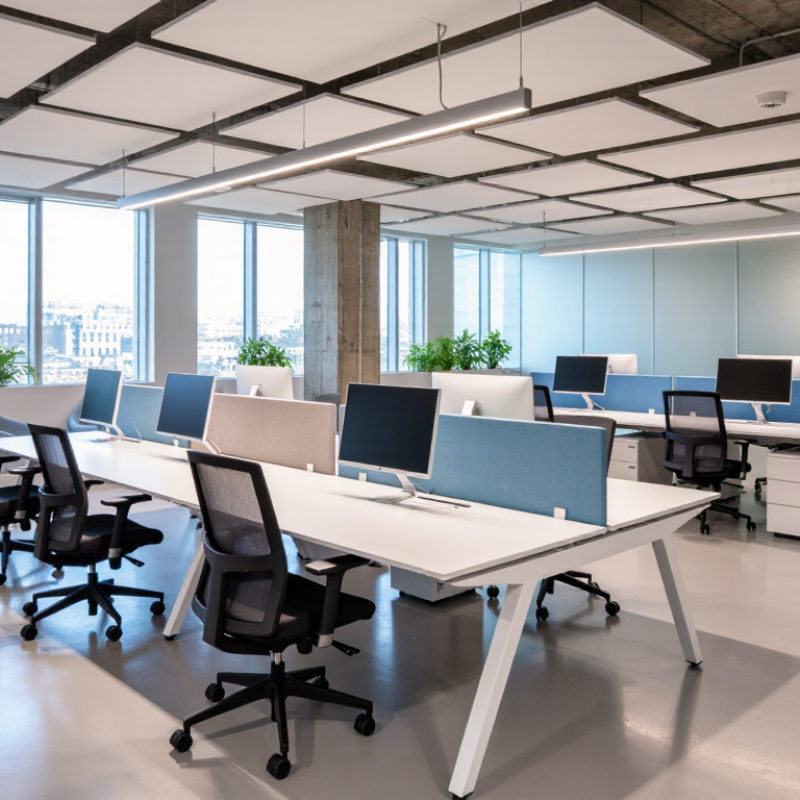
In 2026, workplace furniture will do more than fill a floor plan. It will shape how people focus, meet, move, and recover. During workplace reviews, I have seen teams reject fixed desk rows. They prefer adjustable stations, supportive task chairs, and smaller collaboration tables. The shift feels practical, not decorative. A desk that rises quietly can change an afternoon. Still, flexibility is not automatically comfortable. Poorly adjusted furniture creates new strain.
The strongest 2026 trend is intentional zoning. Furniture will separate concentration, conversation, and private calls without building permanent walls. Acoustic screens, mobile storage, and soft seating can create useful boundaries. However, open areas can become noisy when every zone serves every purpose. A reliable plan needs measured sound levels, clear circulation, and enough power near shared tables. These details are easy to overlook.
Sustainable choices will also become more demanding. Organizations will look beyond recycled content and ask how furniture is repaired, reused, and eventually dismantled. Durable surfaces, replaceable components, and transparent material records support better decisions. I have learned that sustainability claims need evidence. A beautiful chair may still fail if its parts cannot be replaced. The best workplaces will test furniture with real users across busy mornings and quiet afternoons. Not every experiment will work. That is useful data.
2026 Top Furniture Trends for Modern Workplaces
Hybrid work is changing how people use office space. Desks no longer need permanent owners. Instead, teams need furniture that supports focus, collaboration, video calls, and quick transitions. Height-adjustable tables, lightweight chairs, and mobile screens can reshape a room within minutes. A small team may gather around one table at 9 a.m., then create separate work zones before lunch.
Activity-based workplaces need clear choices, not endless options. Quiet booths can support concentrated tasks, while shared tables encourage brief discussions. Soft seating gives employees a less formal place for reading or one-to-one meetings. Lockers near entry points also reduce desk clutter. In practice, circulation space matters as much as the furniture itself. A beautiful layout can still feel stressful when chairs block walkways.
Small details affect daily trust. Durable surfaces should handle frequent movement and regular cleaning. Casters need to roll smoothly without becoming noisy during calls. Power access should be close to each work setting, not hidden under a crowded table. No layout works perfectly. A quiet zone may fail if it sits beside a printer. Teams should observe real behavior, collect feedback, and adjust furniture gradually. Flexibility is useful, but too much movement can make the workplace feel unsettled. The best arrangement leaves room for both routine and change.
2026 Top Furniture Trends for Modern Workplaces
In 2026, modern workplaces are moving beyond attractive furniture. Smart desks now support healthier movement during long workdays. Height-adjustable surfaces can alternate between seated and standing tasks. Some models remind users to change position, but reminders can become background noise. A useful setup records preferences without turning workers into data points. That balance needs care.
Ergonomic seating is becoming more adjustable, not simply softer. A supportive chair should fit the user’s height, posture, and daily tasks. Adjustable lumbar support, seat depth, and armrests help reduce strain at the desk. In practice, many people still leave every setting untouched. Clear guidance matters as much as the mechanism. A five-minute fitting session can reveal pressure behind the knees or raised shoulders. Comfort is personal.
Health-centered design also considers light, sound, air, and recovery. Furniture layouts can create quiet corners, open collaboration zones, and clear walking paths. Rounded edges, warm materials, and natural textures may make shared spaces feel less clinical. Evidence-informed planning should include user feedback, accessibility reviews, and maintenance checks. A desk that works perfectly on opening day may feel inadequate after six months. Teams should measure real use, not just installation photos. That is where design becomes accountable.
2026 Top Furniture Trends for Modern Workplaces
Sustainable office design is moving beyond recycled content. It now examines a chair’s full journey, from material extraction to repair, reuse, and recovery. The Circularity Gap Report 2024 found that only 7.2% of the global economy is circular, down from 9.1% in 2018. Workplaces therefore need practical systems, not attractive sustainability claims.
In real projects, modular desks and replaceable components can extend furniture life. A scratched tabletop should not make an entire workstation disposable. Durable finishes, mechanical fasteners, and accessible spare parts support easier maintenance. The U.S. Environmental Protection Agency reported 12.1 million tons of furniture and furnishings entered the municipal waste stream in 2018. That figure makes procurement decisions feel less abstract.
Material passports can record recycled content, repair history, and disassembly instructions. Environmental Product Declarations also help teams compare impacts using life-cycle assessment data. However, documentation is not perfect. Suppliers may use different boundaries, and recycled-content figures can be difficult to verify. Buyers should request evidence, ask uncomfortable questions, and review performance after installation. A circular workplace may look less polished at first. It can still perform better over time.
EU circular material use rate, 2019–2023 (%)
The circular material use rate measures the share of materials coming from recycled or recovered sources. Its relatively stable level highlights why modern workplaces are increasingly prioritizing durable furniture, repairability, modular components, refurbishment, and take-back programs alongside recycled materials.
Source: Eurostat, Circular Material Use Rate (dataset code: env_ac_cur), EU-27 annual data.
Modern workplaces are moving beyond fixed rows of desks. Modular furniture lets teams reshape space as projects change. A meeting table can become a workshop surface, while movable screens create quieter zones. In workplace planning, this flexibility supports collaboration without sacrificing individual focus. The strongest layouts separate active and quiet areas with clear circulation paths.
Good design begins with observation, not a catalogue. Measure how people actually move, meet, store equipment, and take calls. Then test a small arrangement for several days. Acoustic panels, soft seating, and partially enclosed booths can reduce visual and sound distractions. Adjustable desks and supportive chairs help employees change posture during long sessions. Keep power access close to shared surfaces. Small details matter.
Privacy should feel available, not hidden. A semi-private nook may suit a sensitive call, while a fully enclosed room serves deeper concentration. Yet too many walls can make a floor feel fragmented. Not every module earns its footprint. That is worth admitting. Teams should review usage, comfort, accessibility, and maintenance before expanding the system. The first layout may fail in surprising ways, especially when storage is underestimated. Regular feedback turns those mistakes into practical adjustments, rather than permanent furniture problems.
Intentional zoning is becoming central. Furniture will separate focused work, conversations, and private calls without permanent walls.
Height-adjustable desks let users alternate between sitting and standing. Quiet reminders may help, but some people ignore them.
Look for adjustable lumbar support, seat depth, armrests, and height. A five-minute fitting can reveal knee pressure or raised shoulders.
No. Poor adjustments can create new strain. Flexibility needs clear guidance and regular review.
Acoustic screens, mobile storage, and soft seating can create useful boundaries. Sound levels and walking paths still need measurement.
Durable surfaces, replaceable parts, and mechanical fasteners can extend product life. A damaged tabletop should not require a full replacement.
Ask for material records, repair history, recycled-content evidence, and disassembly instructions. Documentation can be incomplete. Verify important claims.
Observe real users during busy mornings and quiet afternoons. Review accessibility, maintenance, comfort, and power access after several months.
Circular practices support repair, reuse, and responsible recovery. They may look less polished initially, but long-term performance can improve.
Only when the benefit is clear and privacy is respected. Useful settings matter more than turning workers into data points.
In 2026, Furniture Trends For Modern Workplaces will focus on creating environments that support flexibility, productivity, well-being, and responsible design. As hybrid and activity-based work continue to evolve, offices will increasingly use movable desks, adaptable seating, and multipurpose furniture that can serve individual work, teamwork, and informal meetings. Smart desks, ergonomic chairs, and health-centered features will help employees maintain better posture, comfort, and focus throughout the workday.
Sustainability will also become a central priority through responsibly sourced materials, durable construction, repairable components, and circular furniture practices that reduce waste and extend product life. Modular spaces will allow workplaces to shift easily between collaboration, concentration, privacy, and social interaction. By combining technology, comfort, environmental responsibility, and adaptability, modern office furniture will help organizations create more efficient and inclusive workplaces prepared for changing work styles.

GHENT Furniture