Small apartments in China call for furniture that earns its place. A narrow entryway, a low window, or a kitchen with limited floor space can change what fits. This guide explores where to look, from established home retailers and online marketplaces to local furniture workshops. Each option has trade-offs in price, customization, delivery, and after-sales support.
The Best Furniture Ideas For Small Apartments often combine practical storage with flexible use: a bed with drawers, a nesting table, or a slim desk that folds away. Before ordering, measure doorways, lifts, and the room itself; a sofa that fits on a product page may not fit through the stairwell. Measure twice. Check materials, assembly instructions, return terms, and warranty details, and ask sellers for dimensions and clear photos. These checks offer more reliable guidance than attractive styling images alone.
This overview is designed to help renters, homeowners, and design-conscious shoppers compare choices with realistic expectations. Product availability and service can vary by city and seller, so verify details directly before paying. A low price can be appealing, but weak hardware or vague delivery promises may cost more later. I would not assume one clever piece solves every layout. Start with daily habits, then choose furniture that supports them without crowding the room. Details matter.
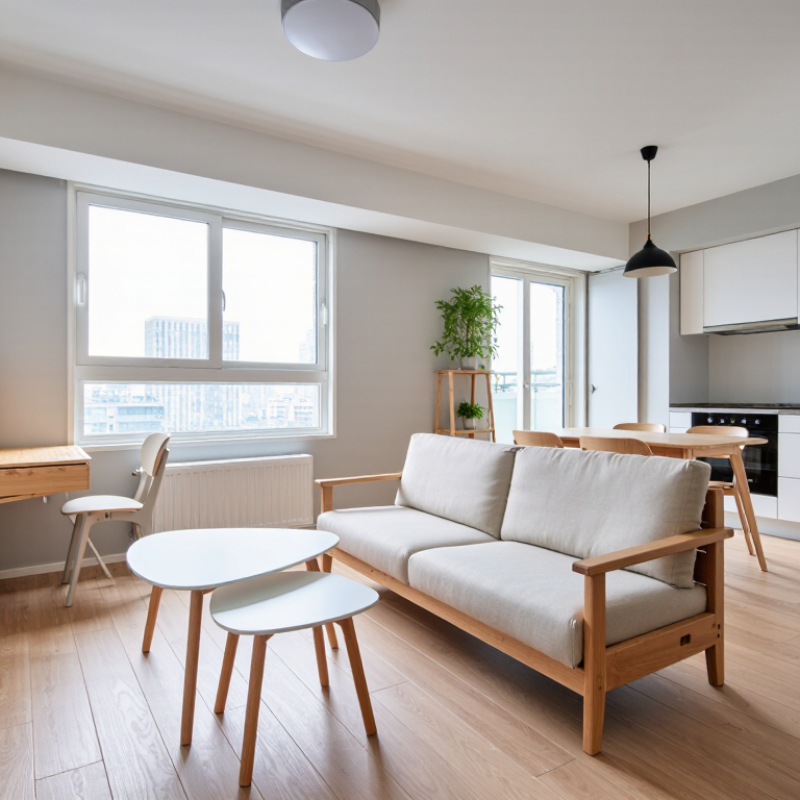
Start with daily routines, not a shopping list. Does the dining table also need to support remote work? Will guests sleep in the living room? China’s Seventh National Population Census reported an average household size of 2.62 people in 2020, down from 3.10 in 2010. This national figure does not describe every home, but it suggests why flexible layouts matter. Measure room widths, door swings, window clearance, and the path from the entrance to each room. A sofa that fits on paper may still block a balcony door. Measure twice.
List the items you use every day, then identify what can serve two purposes. A bed with drawers may replace a separate dresser; nesting tables can be tucked away after meals. Prioritize storage where clutter actually gathers, such as near the entry or beside the bed. Leave clear walking routes, especially around corners and kitchen entrances. I once underestimated how much space a chair needed to pull out. It is easy to misjudge.
Tips: Sketch the floor plan and mark measurements in centimeters. Use masking tape to outline furniture footprints on the floor. Check lift, stairwell, and doorway dimensions before ordering large pieces. Keep one small area flexible; real life rarely follows the plan.
In small Chinese apartments, furniture that serves two purposes can free valuable floor space. A bed with drawers or a lift-up base stores bedding without adding another cabinet. Measure the bed frame, doorway, and elevator before buying; a clever design is useless if it cannot reach the room. Keep it simple.
A drop-leaf dining table works well near a kitchen wall, then opens for meals or visiting family. Nesting tables can slide together beside a sofa and separate when needed. For work, a wall-mounted desk or narrow writing table may fit better than a full office setup. Check the chair, too: it needs room to pull back.
Vertical shelves use wall space, but leave frequently used items within easy reach. A slim shoe cabinet near the entrance can contain clutter without blocking the walkway. Modular sofas offer flexibility, though bulky pieces may still overwhelm a narrow living room. It is tempting to choose the largest storage option, but deeper cabinets can make a compact flat feel cramped. Measure first, and leave clear paths around doors and windows.
Which furniture types make the best use of limited space?
A wall-mounted folding table and storage ottoman take up less floor area than a compact desk or sofa bed. These are representative compact dimensions, not product specifications; actual sizes vary. Consider fold-away features and built-in storage to make each square meter work harder.
In China, start with large home-furnishing markets and furniture malls in the city where you live. Foshan, in Guangdong, is known for its furniture trade, while major cities such as Shanghai, Beijing, and Chengdu have extensive showroom districts. Search locally for “小户型家具” to find compact-furniture sections and nearby sellers. Visit in person when possible. A sofa that looks slim in a photo may block a walkway once its arms and cushions are included.
Bring room measurements, including doorway width, ceiling height, and the space around windows. Measure first. Check whether tables fold, beds offer storage, and shelves can be secured safely. Ask about delivery access, assembly, returns, and the exact dimensions of the displayed model. If shopping online, request photos of joints, drawer interiors, and the furniture beside an everyday object for scale. Not every compact piece feels comfortable. A high-storage bed may save floor space but make a small room feel crowded.
I still think people often underestimate that trade-off.
Compare materials and construction in person, and leave enough clearance for doors, drawers, and daily movement.
How to Compare Retailers, Materials, Prices, and Delivery
A crowded showroom can make every sofa look compact. Measure your doorway, lift, and intended wall before comparing retailers. Ask each seller for the same dimensions, material details, and delivery terms. China’s National Bureau of Statistics reported 655.7 billion yuan in 2023 operating revenue for above-designated-size furniture manufacturers. That figure shows a substantial industry, not a guarantee of quality.
Compare like with like. A lower price may exclude assembly, stair carries, or disposal of packaging. Check whether drawers open fully beside a bed, and whether a table leaves room to walk past. For panel furniture, ask what the core material is and request product-specific emissions documentation. China’s GB 18580-2017 standard sets formaldehyde emission requirements for wood-based panels and products used indoors. Vague “green” wording is not a test report.
Delivery deserves its own checklist. Confirm the arrival window, carry-in route, assembly fee, and process for reporting damage. Photograph cartons before opening them. Get the retailer’s return and replacement conditions in writing, especially for made-to-order pieces. A beautiful cabinet can still fail at the stairwell turn. Small details are easy to miss, even with careful planning.
Before buying small-apartment furniture in China, measure the room and the route into it. Note door widths, lift dimensions, stair turns, and the space around sockets. A sofa that fits the floor plan may still be impossible to carry upstairs. Leave room for drawers and cabinet doors to open fully.
Check materials, dimensions, and assembly details in person when possible. Run a hand along edges and inspect hinges, joints, and drawer movement. For online listings, compare the written measurements with product photos; perspective can make furniture look smaller. Ask whether delivery includes carrying, installation, and removal of packaging. Confirm the fee and arrival window before paying. I would not assume “easy assembly” means quick assembly. That assumption can cost an afternoon.
Tips
Sketch the layout on paper, then mark furniture footprints on the floor with removable tape. Keep screenshots of the order details and inspect each item before the installers leave. Small checks matter. If a measurement seems unclear, ask the seller to confirm it in writing.
Choose pieces with two uses. A bed with drawers stores bedding without needing another cabinet. It saves space.
Measure the furniture, doorway, elevator, and route into the room. A large piece may not fit through the entrance. Measure twice.
A drop-leaf table can sit against a kitchen wall and open for meals or guests. Nesting tables tuck beside a sofa when unused.
Try a wall-mounted desk or a narrow writing table. Check that the chair can pull back without blocking the walkway.
Use vertical shelves for items you reach often. A slim shoe cabinet near the entrance can contain clutter, but keep the path clear.
They can offer flexible seating, but bulky sections may overwhelm a narrow living room. Measure the layout first. Not always.
Compare dimensions, materials, delivery terms, assembly fees, and return conditions. Ask for product-specific material information; vague claims are not enough.
Confirm the arrival window, carry-in route, assembly cost, and damage-reporting process. Photograph the cartons before opening them. Keep the conditions in writing.
Finding the best small-apartment furniture in China starts with understanding how each room is used, measuring available space, and identifying essential storage needs. Pieces that serve more than one purpose—such as a sofa bed, a compact dining table, or a bed with built-in drawers—can make limited floor area work harder. Vertical shelving, foldable furniture, and appropriately sized seating also help maintain clear pathways and create a more comfortable home. These Best Furniture Ideas For Small Apartments balance everyday practicality with a layout that feels open rather than crowded.
Shoppers can explore furniture markets, home-goods districts, and online marketplaces, then compare retailers based on dimensions, materials, construction, prices, and delivery arrangements. Before purchasing, check product measurements against doorways, elevators, and room layouts; clarify assembly, return, and warranty terms; and confirm that materials suit the apartment’s climate and intended use. Careful planning helps prevent costly mismatches and makes installation smoother.

GHENT Furniture