Designing a new house can be exhilarating yet daunting. Proper furniture planning is essential. Renowned interior designer Sarah Johnson emphasizes, "Furniture planning is the heart of a home." This highlights the significance of choosing the right pieces and layout.
When starting your journey, consider essential Furniture Planning Tips For New Houses. Create a detailed floor plan. Measure each room accurately. List your furniture needs based on lifestyle. Visualize the room's function. This helps in avoiding costly mistakes.
Focusing on proportions is vital. Ensure furniture complements the space without overwhelming it. This takes practice and reflection. As you plan, remember that each decision shapes your daily living experience. Embrace the challenges and learn along the way.
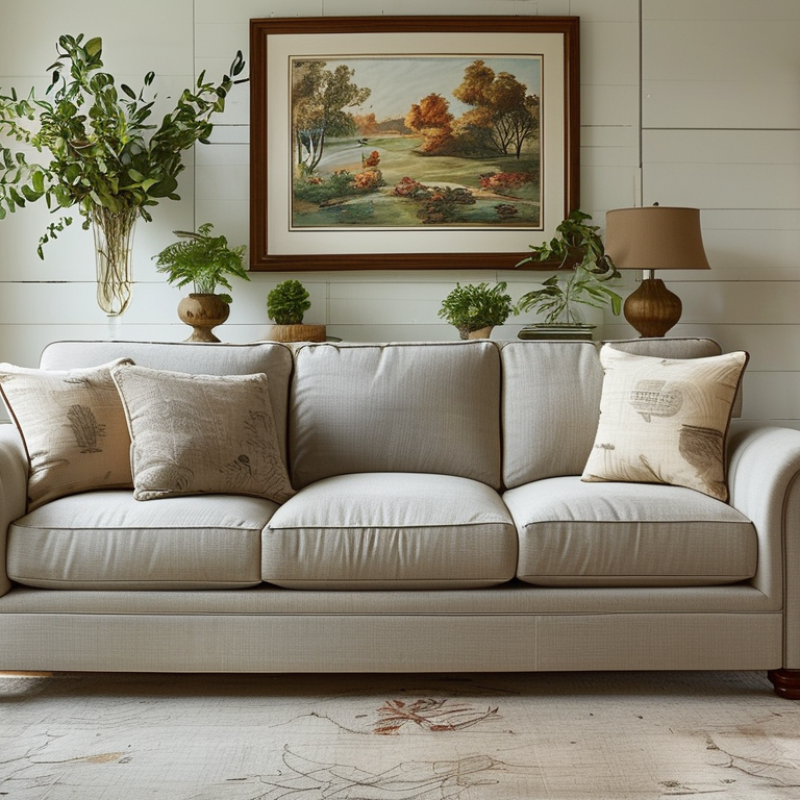
When planning furniture for your new house, understanding your space is crucial. Start by measuring the dimensions of each room. Use a tape measure for accuracy. Note the height, width, and depth of doorways and windows. This information helps ensure your furniture fits. You can also sketch the dimensions on graph paper. This visual aid can prevent costly mistakes.
Consider the flow of movement within your space. Leave adequate room for walking paths. A clear pathway allows for easy navigation. If you notice cramped spots in your layout, rethink your arrangement. Experiment with different positioning of the furniture. Sometimes, a slight shift can make a significant difference. Don’t hesitate to revisit your initial plans.
Pay attention to lighting and functionality. Natural light influences how a space feels. Position furniture near windows when possible. However, be cautious not to block it. Additionally, think about the intended use of each room. This will guide your decisions on what furniture you need. Take your time and reflect on how each piece fits into your vision for the space. Your new house should be a balanced and harmonious retreat.
When planning furniture for new houses, defining functionality is crucial. Each room in your home serves a unique purpose. Understanding this can guide your choices significantly. In a living room, prioritize comfort and social interaction. Choose seating that invites conversation. A spacious layout can make the area feel welcoming.
A kitchen often becomes the heart of the home. Focus on practicality and flow. Arrange the furniture to enhance movement between cooking and dining areas. Consider how you use the space daily. It’s essential to adapt to your routine, yet many overlook this factor. Take time to reflect on what works best for you.
In bedrooms, think about tranquility and relaxation. Soft lighting and comfortable furniture create a soothing atmosphere. Evaluate what activities take place there. Do you read, work, or unwind? Sometimes, it's easy to forget specific functions. A dedicated reading nook can enhance the space significantly. Ensure each piece aligns with your intended use, allowing for greater harmony in your home.
Choosing furniture for a new house involves balancing style and functionality. The right selection can influence the overall atmosphere. According to a recent survey, 78% of homeowners prioritize aesthetics when choosing furniture. However, comfort remains crucial, with 68% valuing practical aspects like durability and ease of maintenance.
Consider the layout of each room. Tips suggest measuring spaces before purchasing items. Keep pathways clear and ensure each piece complements your lifestyle. For example, a cozy sectional may enhance a family room’s comfort, while a sleek dining table could create an inviting meal setting. The interplay between modern and classic styles can bring harmony to various areas.
Lighting also plays a significant role. Natural light can highlight patterns and colors. Conversely, dark spaces might need lighter furniture to avoid a cramped feel. Studies indicate that well-lit rooms boost mood and productivity. Don’t overlook the textures and materials of furniture, as these elements can affect both visual appeal and comfort. Remember, thoughtful planning leads to a home that is both stylish and functional.
| Tip No. | Furniture Type | Aesthetic Considerations | Practical Considerations |
|---|---|---|---|
| 1 | Sofa | Color and fabric to match the decor | Size and seating capacity for the space |
| 2 | Dining Table | Shape and finish to enhance dining area | Durability and ease of cleaning |
| 3 | Bed | Style to fit bedroom theme | Comfort level and storage options |
| 4 | Bookshelves | Design to complement living space | Sturdiness and weight capacity |
| 5 | Coffee Table | Style to fit sofa arrangement | Height and storage functionality |
| 6 | Accent Chairs | Color contrast or match with decor | Comfort and mobility |
| 7 | TV Stand | Modern or traditional look | Cable management and size for equipment |
| 8 | Nightstands | Matching with bedroom set | Storage space for essentials |
| 9 | Storage Ottoman | Color scheme to match room | Dual purpose for seating and storage |
| 10 | Entryway Bench | Style to enhance entrance look | Functionality for shoe storage |
Creating a flow in your new house is essential for comfort. It starts with the layout. Open floor plans can enhance movement. However, dividing spaces with furniture is also effective. Use rugs to define areas. This gives a visual guide for flow.
Consider pathways carefully. Ensure there's enough space between furniture pieces. Ideally, allow at least 24 inches for walkways. This may seem minor, but it makes a big difference. When moving, you shouldn't feel cramped. It can be frustrating if you bump into things.
Accessibility is key for functionality. Place frequently used items within easy reach. It’s easy to overlook storage. Built-in shelves can provide options without blocking pathways. Reflect on your lifestyle needs. Think about family, guests, and activities. A clutter-free space promotes better flow.
Creating a home that reflects your unique style is essential in furniture planning. When planning for your new space, consider how to incorporate personal touches. According to a recent survey by the American Institute of Architects, 70% of homeowners desire a unique design that reflects their personality. This statistic underlines the importance of personal expression in interior design.
One effective method to personalize your space is through color selection. Choose hues that resonate with your experiences or memories. For example, a soothing blue might evoke calm beach vacations. Additionally, integrate art pieces that tell your story. Family photographs or locally sourced artwork can add warmth and character.
Don’t overlook functional pieces. Opt for furniture that serves a purpose while reflecting your taste. A vintage coffee table can be a conversation starter and practical. Aim for items that not only fit the space but resonate personally. A well-planned mix of styles creates balance. Embrace the imperfections within your style. They often spark deeper connections to your space, making it feel more like home.
: Use a tape measure to get height, width, and depth of each room. Sketch on graph paper for better visualization.
A well-planned arrangement ensures easy movement and prevents cramped spots. Rethink your layout if navigation feels difficult.
Position furniture near windows to enhance light. Avoid blocking windows to maintain a bright atmosphere.
Identify each room's unique function. Focus on comfort in living areas and practicality in kitchens for better flow.
Choose colors that evoke memories. Integrate meaningful art pieces and ensure functional furniture reflects your style.
Take time to reflect on your choices. Adjustments may be needed to create the balance you desire in your space.
When embarking on the journey of designing your new home, understanding the essentials of furniture planning is crucial. The first step involves measuring your space accurately, which allows for an effective layout that suits your needs. Next, it’s important to define the functionality of each room by identifying its purpose, ensuring that the furniture chosen meets these specific requirements.
In addition to functionality, selecting furniture styles that are both aesthetically pleasing and practical is key to creating a harmonious environment. Good furniture planning also incorporates flow and accessibility, ensuring that movement within the space is comfortable and intuitive. Finally, adding personal touches will help reflect your unique style in the overall design. These Furniture Planning Tips For New Houses will guide you in creating a space that is not only stylish but also tailored to your lifestyle.

GHENT Furniture