Choosing the right Furniture Styles For Boutique Hotels requires more than following current design trends. Furniture must shape the guest experience, support daily operations, and express the property’s identity. A velvet lounge chair may look striking, but it must also withstand luggage, spills, and constant use.
Hospitality designer Adam D. Tihany describes the hotel environment this way: “A hotel is a stage set for life.” His observation highlights an important design principle. Every chair, table, and bed participates in the guest’s story. Warm wood can create a residential feeling, while curved upholstery may soften a narrow lobby. Art Deco pieces suggest glamour, whereas Japandi furniture offers calm through light timber and restrained forms.
Good design is never purely decorative. It must balance comfort, durability, scale, maintenance, and local character. A boutique hotel near the coast may benefit from relaxed rattan, textured linen, and weathered finishes. An urban property might use sculptural seating, dark metal, and compact multifunctional tables. These choices should feel intentional, not copied from a showroom.
There is no universal winner.
Even experienced designers can misjudge a material or underestimate cleaning demands. I have seen beautiful furniture lose its appeal when cushions flatten or edges chip quickly. That weakness deserves honest attention. This guide examines the leading furniture styles, their practical strengths, and their potential limitations. It also considers how each style performs in guest rooms, reception areas, restaurants, and shared lounges. The goal is a thoughtful choice that looks memorable today and remains useful years later.
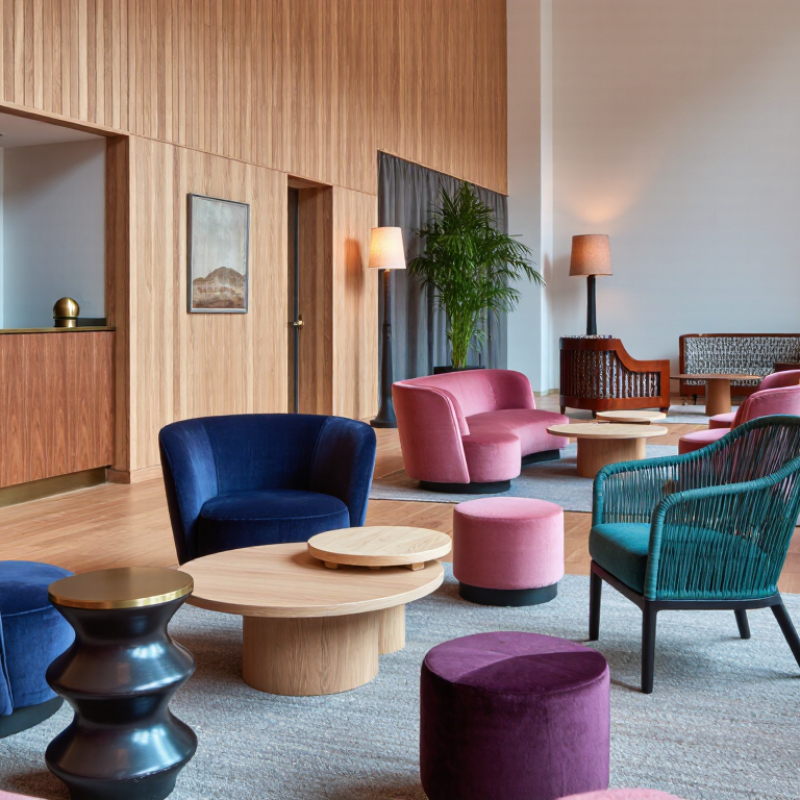
Boutique scale means fewer than 100 rooms, not simply smaller dimensions. Each room has more influence on the guest experience. Industry benchmarking commonly uses the under-100-room threshold for boutique properties, where independent character matters more than standardized repetition. A 2024 global sustainable-travel report, based on more than 31,000 travelers, found that 75% wanted to travel more sustainably. That preference should shape furniture choices.
Choose furniture that feels rooted in the neighborhood. A solid timber writing desk, locally inspired woven headboard, or hand-finished stone table can create recognition without becoming theatrical. Use durable materials with visible texture. Small irregularities may feel more honest than perfect machine symmetry. I have found that guests often remember a chair’s comfort before its silhouette.
Mid-century forms, contemporary rustic pieces, and restrained regional craft work well at this scale. Keep the palette narrow, then add one memorable object per room. Avoid filling every corner. A 2024 hotel investment outlook from a leading global property consultancy identified operating costs as a major industry pressure, so furniture must balance design with repairability. Loose joints, delicate veneers, and oversized pieces can quickly become expensive mistakes. The better question is practical: can housekeeping move it, can guests use it, and can maintenance repair it locally?
What Are the Best Furniture Styles for Boutique Hotels?
STR reported 67.1% U.S. hotel occupancy in 2024. That figure offers a useful planning baseline, not a guaranteed profit forecast. Boutique hotels should set furniture ROI targets around realistic occupancy, room rates, replacement cycles, and maintenance costs. Warm modern furniture often performs well because it feels distinctive without becoming difficult to repair. Rounded sofas, textured upholstery, and solid wood accents can create a memorable guest experience. They also photograph well in natural light.
A practical ROI model should measure more than furniture price. Track room revenue, guest satisfaction, damage rates, cleaning time, and replacement expenses. If a lounge chair costs more but lasts three years longer, its value may be higher. In hotel projects, I have seen attractive furniture fail because it ignored luggage wheels, wet swimwear, and narrow corridors. The style looked right. The performance did not. Local craft-inspired details can add character, but they require consistent quality control.
Tips: Begin with the 67.1% occupancy benchmark, then test lower and higher scenarios. Set a payback target for each major furniture category. Choose commercial-grade finishes and inspect sample pieces under strong light. Leave space for housekeeping carts and suitcase movement. A perfect style does not exist. A flexible, repairable one may protect ROI better. Review results quarterly, because guest behavior can expose assumptions that looked sensible on paper.
| Furniture Style | Design Characteristics | Best-Fit Boutique Hotel Positioning | Operational Advantages | Primary Risks | Recommended Furniture Allocation | Planning-Level ROI Target | Indicative Payback Target | Suitability |
|---|---|---|---|---|---|---|---|---|
| Contemporary Minimalist | Clean lines, neutral colors, limited ornamentation, compact forms, and visually uncluttered rooms. | Urban, business-oriented, and design-conscious properties that require flexible room layouts. | Simple silhouettes are easier to standardize, replace, clean, and coordinate across guestrooms. | Can appear generic if lighting, artwork, textiles, and local details are not carefully layered. | 18%–24% of the initial guestroom fit-out budget. | 10%–14% annual furniture-related return on incremental room revenue. | 5–7 years | High |
| Modern Rustic | Natural-looking timber, textured upholstery, matte finishes, warm neutrals, and handcrafted visual cues. | Leisure, countryside, mountain, wellness, and destination-led boutique hotels. | Texture and natural materials can create a strong sense of place without excessive decorative pieces. | Porous materials, distressed finishes, and visible texture may require more intensive maintenance. | 20%–28% of the initial guestroom fit-out budget. | 9%–13% annual furniture-related return on incremental room revenue. | 6–8 years | High |
| Mid-Century Inspired | Tapered legs, functional geometry, wood accents, restrained curves, and balanced proportions. | Lifestyle hotels targeting design-aware leisure travelers and short-stay guests. | Distinctive shapes support memorable interiors while maintaining efficient, practical layouts. | Thin legs, exposed edges, and delicate joinery may be vulnerable in high-turnover public areas. | 22%–30% of the initial guestroom fit-out budget. | 8%–12% annual furniture-related return on incremental room revenue. | 6–8 years | High |
| Industrial Contemporary | Metal frames, durable laminate or wood-look surfaces, exposed structural details, and darker neutral tones. | Urban properties, adaptive-reuse buildings, and hotels with active lobby or co-working environments. | Hard-wearing surfaces and modular components can perform well in busy public spaces. | Hard surfaces may reduce acoustic comfort and can make guestrooms feel cold without soft furnishings. | 16%–23% of the initial guestroom fit-out budget. | 9%–14% annual furniture-related return on incremental room revenue. | 5–7 years | High |
| Art Deco Revival | Geometric patterns, rich accent colors, rounded forms, decorative metals, and visually prominent statement pieces. | Upscale urban, cultural, and celebration-oriented boutique hotels. | Strong visual identity can support premium positioning and memorable guest photography. | Higher replacement cost, more complex detailing, and a greater risk of style fatigue. | 25%–35% of the initial guestroom fit-out budget. | 7%–11% annual furniture-related return on incremental room revenue. | 7–10 years | Medium |
| Biophilic Natural | Organic shapes, natural colors, plant-compatible layouts, daylight-supportive placement, and tactile materials. | Wellness, eco-conscious, resort, and urban retreat concepts. | Creates a calm atmosphere and can be combined with durable modular furniture and replaceable soft goods. | Natural materials and live greenery require moisture, cleaning, and condition controls. | 21%–29% of the initial guestroom fit-out budget. | 8%–12% annual furniture-related return on incremental room revenue. | 6–9 years | High |
| Eclectic Local-Craft | Layered patterns, locally informed forms, mixed materials, one-of-a-kind accents, and varied furniture silhouettes. | Independent boutique hotels emphasizing local culture, storytelling, and destination authenticity. | Supports differentiation and can make common areas feel highly distinctive. | Inconsistent sourcing, difficult replacements, and variable quality can increase operating complexity. | 24%–34% of the initial guestroom fit-out budget. | 6%–10% annual furniture-related return on incremental room revenue. | 7–10 years | Medium |
What Are the Best Furniture Styles for Boutique Hotels?
Compare Mid-Century, Contemporary, Vintage, and Biophilic Furniture Styles
Mid-century furniture gives boutique hotels a clear visual language. Think tapered legs, walnut tones, and compact lounge chairs. Its strong silhouettes photograph well and support efficient room layouts. However, excessive retro detailing can make a property feel staged. I have found that one statement chair works better than an entire themed room. Materials still need commercial-grade durability, especially around lobby seating and guestroom desks.
Contemporary furniture offers flexibility. Clean lines, rounded edges, and neutral upholstery can suit changing guest expectations. CBRE’s 2024 European Hotel Investor Intentions Survey identifies guest experience as a major investment priority, which supports adaptable interiors. Yet, neutral design can become forgettable. Add texture through boucle panels, stone surfaces, or softly colored joinery. The room should feel calm, not empty.
Vintage pieces create emotional depth through patina, local references, and visible craftsmanship. They can make a corridor feel collected rather than furnished. Biophilic furniture adds another layer, using timber, woven fibers, plant forms, and natural colors. The Global Wellness Institute reported that the wellness economy reached 6.3 trillion dollars in 2023. Human Spaces research also linked natural elements with higher reported wellbeing and creativity. These findings are not direct hotel performance guarantees. They offer useful direction, not proof. A realistic mix may combine contemporary foundations, selected vintage accents, and biophilic textures. It may still need revision after guests use the space. Humans notice uncomfortable chairs quickly.
Comparative design assessment of mid-century, contemporary, vintage, and biophilic furniture styles.
Scores use a five-point design scale based on commonly recognized characteristics: space efficiency, guest comfort, durability, visual warmth, and connection with nature. Contemporary furniture performs strongly across practical criteria, while biophilic furniture leads in natural atmosphere and guest wellness appeal.
Boutique hotels need furniture with personality and measurable strength. Soft curves, natural textures, and compact silhouettes create a memorable guestroom. However, appearance cannot replace performance. BIFMA develops voluntary commercial furniture standards for safety, durability, stability, and structural performance. These standards help specifiers evaluate furniture beyond attractive photographs. That distinction matters. A stylish lounge chair may still fail under repeated daily use.
For high-traffic guestrooms, select beds, desks, chairs, and casegoods designed for commercial testing. Check load capacity, joint strength, tip-over resistance, and surface durability. Drawer slides should tolerate frequent opening, while table edges should resist impact from luggage. Upholstery also deserves attention. Tightly woven fabrics, secure seams, and cleanable finishes can reduce maintenance pressure. Ask suppliers for current test documentation and clearly defined performance data. Do not rely on vague claims such as “hotel quality.”
I once underestimated how quickly bedside tables show wear near charging ports. Small scratches became visible during routine inspections. That experience changed my specifications. I now examine cable openings, corner protection, and cleaning compatibility before approving a design. Still, no standard predicts every guest behavior. Heavy suitcases, hurried housekeeping, and poorly placed furniture create unexpected stress. A practical style combines visual warmth with replaceable parts, accessible repairs, and dependable testing. Vintage-inspired details can work well, provided their construction meets commercial expectations.
Boutique hotels need furniture that feels distinctive, yet survives constant guest use. Warm modern, Japandi, and restrained industrial styles can all work when material choices support durability. A walnut-toned reception desk, woven lounge chair, and powder-coated steel table create tactile contrast without visual clutter. Beauty still matters. However, appearance should not control every specification.
Under LEED v4.1, project teams should review furniture through relevant materials, low-emitting, and environmental documentation pathways. Look for product-specific environmental product declarations, material ingredient reporting, and verified responsible sourcing where applicable. Solid wood may offer repairability, but its origin and finishes require careful documentation. Recycled metal can reduce virgin material demand, while durable upholstery may reduce replacement frequency. Formaldehyde content and emissions deserve attention in enclosed guestrooms.
Life-cycle cost data should include purchase, delivery, cleaning, repair, replacement, and end-of-use handling. A cheaper chair may need replacement after three years. That is not always economical. My first furniture specification favored low purchase prices, but maintenance records changed the decision. A slightly higher-cost frame with replaceable fabric performed better over ten years. Measure the whole journey. Still, life-cycle models contain assumptions, especially about occupancy and cleaning intensity. Teams should test several scenarios and keep invoices, warranty terms, and maintenance observations. These records strengthen decision-making and reveal where a stylish choice quietly becomes wasteful.
A boutique hotel usually has fewer than 100 rooms. Each chair, desk, and bedside table affects the guest experience. Repetition becomes noticeable quickly. Design should feel individual, not mass-produced.
Mid-century, contemporary rustic, vintage, and biophilic styles can work well. Use one clear base style. Add limited local details, such as woven panels or hand-finished stone. Too many themes can make the room feel staged.
Choose materials and textures connected to the neighborhood. A solid timber desk can suggest regional craft. A woven headboard can add a familiar visual reference. Avoid exaggerated decoration. Subtle details often feel more believable.
Guests may remember an uncomfortable chair more than its appearance. Test lounge chairs with realistic sitting positions. Check desk height, seat depth, and back support. A beautiful chair that hurts quickly becomes a design mistake.
Use contemporary pieces as the practical foundation. Add selected vintage accents in corridors or reading areas. Visible patina can create emotional depth. However, old-looking furniture still needs strong construction. Style alone cannot prevent repairs.
Timber, woven fibers, stone, and muted natural colors create visual warmth. Plants or plant-like forms may support a softer atmosphere. Natural elements are not guaranteed to improve hotel performance. They provide useful direction, not proof.
Check load capacity, joint strength, stability, and surface durability. Drawer slides should survive frequent opening. Table edges need protection from luggage impacts. Upholstery should have tight seams and cleanable surfaces. Ask for current testing documents.
Select replaceable parts and locally repairable construction. Inspect cable openings, corners, hinges, and cleaning compatibility. Bedside tables often show scratches near charging ports. I underestimated this once. Small details deserve serious attention.
Keep the palette narrow and avoid filling every corner. One memorable object may be enough. Leave clear paths for guests and housekeeping. Large pieces can block movement and raise replacement costs. Empty space can feel intentional. Sometimes it feels unfinished.
Choosing the right Furniture Styles For Boutique Hotels begins with understanding the boutique scale: typically fewer than 100 rooms, with a strong local design identity that makes the guest experience memorable. Owners should connect design decisions to clear return-on-investment targets, using the 67.1% U.S. hotel occupancy rate reported for 2024 as a useful planning reference rather than a guarantee. Mid-century furniture can provide warmth and character, contemporary pieces can create a clean and adaptable atmosphere, vintage designs can strengthen local storytelling, and biophilic furniture can support a calming connection with nature.
Durability and long-term value are equally important. Guestroom furniture should be specified to meet applicable BIFMA commercial performance standards for high-traffic environments, including strength, stability, and repeated-use requirements. Material selection should also consider LEED v4.1 criteria, responsible sourcing, low-emission finishes, maintenance needs, and life-cycle cost data. By balancing visual identity, operational durability, sustainability, and expected revenue, boutique hotels can create distinctive interiors that remain practical and financially responsible over time.

GHENT Furniture