In the world of interior design, effective furniture planning is crucial. It shapes the aesthetics and functionality of a space. "Furniture Planning For Interior Designers" is not just about choosing the right pieces. It involves understanding the client’s needs and the architectural features of a room.
Designers often face challenges during this process. They must balance style and practicality. Considerations like scale and flow can create tension in a project. Misjudgments in sizing can lead to overcrowded or empty spaces. Moreover, the choice of colors and materials should complement the overall vision while fitting within budget constraints.
Experience teaches that furniture planning is iterative. Not every layout becomes perfect on the first try. Feedback from clients is invaluable in refining designs. By adapting and improving, interior designers can achieve remarkable transformations. Embracing a flexible mindset is essential for growth and success in this field.
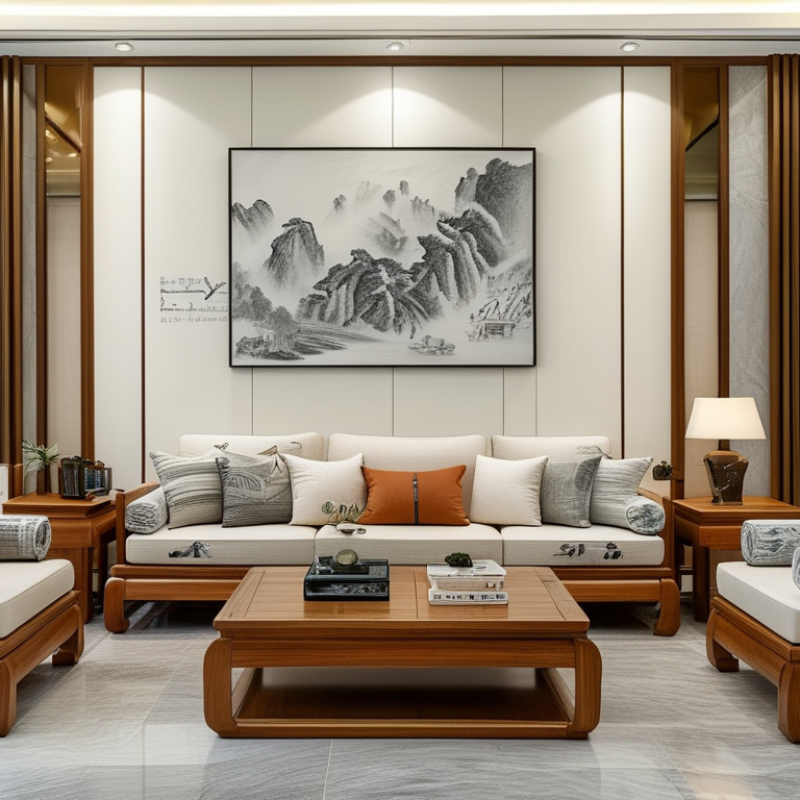
Understanding Chinese aesthetics in furniture design requires a deep appreciation of tradition and cultural significance. Color plays a vital role in Chinese design. For instance, red symbolizes joy, while black represents stability. These colors are often used in furnishings to create a harmonious space. Textures also contribute significantly. The smooth finish of polished wood complements the rich detailing common in Chinese furniture, evoking a sense of calm.
When designing spaces, consider balance. Chinese aesthetics often emphasize symmetry, creating a sense of order. However, achieving this balance can be challenging. It demands a keen eye for proportion and placement. Using natural materials, such as bamboo and lacquer, can enhance the authenticity of a design. These elements are not just about appearance; they resonate with a historical narrative.
Moreover, incorporating Feng Shui principles is crucial. This ancient practice focuses on energy flow. Furniture placement ought to facilitate movement and interaction. Designers may struggle with integrating these concepts into modern layouts. Striking a balance between traditional elements and contemporary needs can be complex. Each project is a journey, shaped by reflection and adaptation. The richness of Chinese aesthetics leads to unique expressions to explore.
: Space planning affects comfort and functionality. Many homeowners feel inadequate space is a primary concern.
Use furniture with multiple purposes, like a coffee table that offers storage. Modular seating adapts well to small areas.
Proper lighting enhances the atmosphere. Natural light makes spaces feel larger, while mirrors create an illusion of depth.
Feng Shui can enhance well-being by promoting the flow of energy. Clear pathways encourage movement and positive energy circulation.
Position larger items away from doorways. A sofa against a wall provides stability and allows easy access.
Choose colors with emotional impacts. Earth tones create grounding effects, while overly vibrant palettes may lead to chaos.
Natural materials like hardwoods create warmth. Textures such as silk and bamboo add richness to the design.
Vintage items can tell a story and add uniqueness. Symbols like luck enhance the space's meaning and aesthetic.
Prioritize practical use while selecting beautifully designed pieces. Balance aesthetics with purpose for a cohesive environment.
The article "China Best Furniture Planning Tips for Interior Designers" provides valuable insights into effective furniture planning for interior designers focused on Chinese aesthetics. It begins by exploring the fundamental principles of Chinese aesthetics, emphasizing the importance of harmonizing elements like color and form. Key considerations for space planning in Chinese interiors are discussed, highlighting how to optimize layouts to reflect traditional values and functionality.
Furthermore, the incorporation of Feng Shui principles into furniture layout is outlined, demonstrating how positioning can influence energy flow. The article also underscores the selection of appropriate materials and textures that echo Chinese styles, fostering a sensory connection with the interior space. Ultimately, the aim is to create balance and harmony in furniture arrangements, ensuring that the designs resonate with the serene and meditative qualities often found in Chinese culture. This comprehensive guide is an essential resource for interior designers aiming to master furniture planning for Chinese-style interiors.

 GHENT Furniture