Selecting the right laboratory furniture is crucial for efficiency and safety in any lab environment. The term "Laboratory Furniture" encompasses various essential items like workstations, storage units, and seating. Each piece plays a vital role in your lab's functionality and organization.
When considering laboratory furniture, think about the specific needs of your space. Does your lab require more storage or flexible work surfaces? Understanding the type of work planned helps narrow down options. You want furniture that supports both the workflow and safety protocols.
Quality and durability are key factors. Laboratory furniture must withstand chemicals, spills, and daily wear. Reflecting on past choices can guide you. Did your previous selections hinder productivity or cause discomfort? This time, take a moment to evaluate. Choose wisely to create an effective and comfortable lab atmosphere.
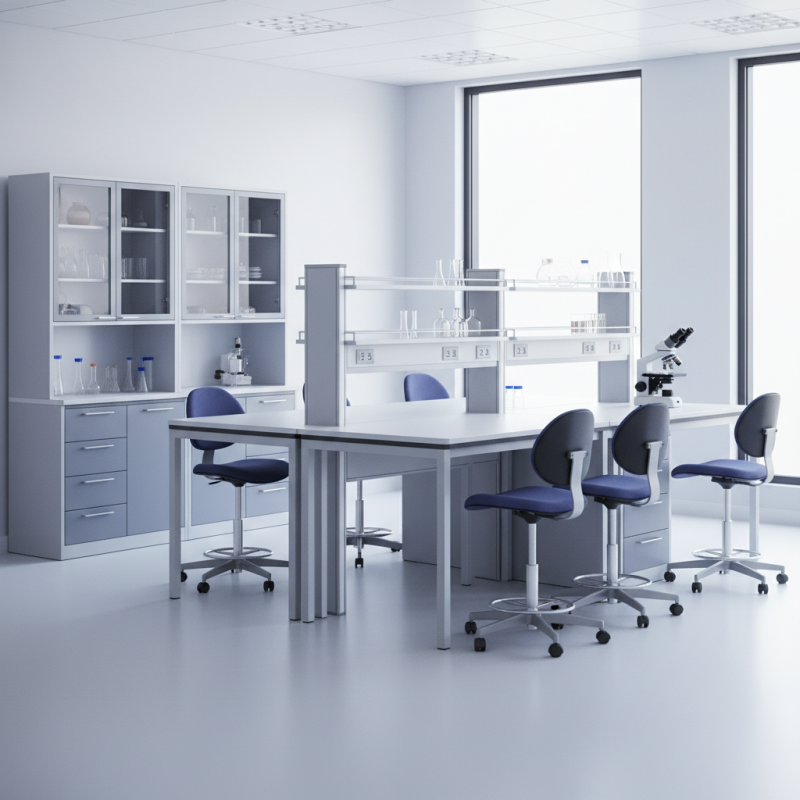
Laboratory furniture plays a crucial role in facilitating research and experiments. The right setup can enhance productivity and safety. For instance, durable workbenches provide adequate space for experiments. They should withstand heavy equipment and daily wear. Adjustable stools allow researchers to work comfortably for hours.
However, choosing the best furniture is not always straightforward. Consider the specific needs of your lab. Some labs require specialized storage for chemicals and samples. Others may need mobile units for flexibility. Reflect on the workflow of your space. Poorly designed areas can lead to inefficiencies and accidents.
It's also vital to think about the future. Will your laboratory's needs change over time? Modular furniture can adapt to new equipment or layouts. This flexibility helps maintain an efficient working environment. Ultimately, the right furniture supports the research's goals. Each piece should contribute to a safer and more effective workspace.
This chart represents the importance rating of various features to consider when selecting laboratory furniture. Ergonomic design and material quality are deemed the most important factors, while cost effectiveness is rated slightly lower.
When assessing your laboratory space, consider its layout and size. A clear map can help visualize traffic flow. Are there areas that feel crowded? Identify bottlenecks where movement is restricted. This will inform your furniture choices. Adequate space is vital for safety and efficiency.
Next, examine your workflow requirements. What tasks will you perform regularly? Certain tasks need specific setups. For example, if you work with equipment frequently, ensure there’s ample room. Open workstations can enhance collaboration, but isolation may be needed for sensitive projects.
Evaluate existing furniture too. Is it versatile? Sometimes, older units may limit your efficiency. Think about adjustable tables that accommodate different postures. Reflection is key. Are your current solutions meeting your needs? If not, it’s time for a change. Your lab should evolve with your work demands.
| Furniture Type | Material | Dimensions (cm) | Weight Capacity (kg) | Ergonomics Rating (1-10) | Price Range (USD) |
|---|---|---|---|---|---|
| Lab Bench | Steel | 150 x 70 x 90 | 500 | 9 | 300 - 600 |
| Storage Cabinet | Wood | 80 x 40 x 180 | 200 | 8 | 200 - 400 |
| Fume Hood | Laminate | 120 x 75 x 200 | 300 | 10 | 800 - 1500 |
| Suction Cup Table | Acrylic | 120 x 60 x 75 | 150 | 7 | 150 - 300 |
| High Stools | Plastic | 40 x 40 x 75 | 120 | 8 | 50 - 100 |
Choosing the right materials for laboratory furniture is crucial. Various factors affect durability and functionality. For instance, the surface material must resist chemicals and stains. Laminate surfaces can be appealing but may not offer long-term strength. Stainless steel is a robust alternative, but it can be prone to scratching.
Balancing aesthetics and resilience is key.
Consider the type of lab work being conducted. If heavy equipment will be used, robust materials are necessary. Solid wood may look good, but it can absorb liquids and warp. Metal components are often more suitable. They provide strength and can be more easily cleaned. Your choice must adapt to constantly changing needs.
Additionally, think about how furniture will age. High-frequency use wears down surfaces. Maintenance is essential for longevity. Some materials may require more upkeep than others. A well-maintained surface can prolong your investment. Reflect on your lab's future needs before deciding. What works today may not be ideal later.
When evaluating laboratory furniture, ergonomics and user comfort are crucial considerations. A report by the International Ergonomics Association (IEA) indicates that ergonomic design can reduce musculoskeletal disorders by over 30%. In a lab setting, where staff often stand for long hours, the importance of proper seating and adjustable work surfaces cannot be overstated. Many researchers overlook how essential it is to have furniture that accommodates different user heights and tasks.
User comfort performance impacts productivity significantly. According to a study published in the Journal of Occupational Health Psychology, discomfort leads to dips in concentration and output. Ergonomic stools with back support and height-adjustable tables can optimize the work experience. However, not all laboratories prioritize these essential features. In some cases, existing furniture might not provide adequate adjustability, causing strain over time.
Considering the workspace layout is also vital. A poorly arranged laboratory can lead to overcrowding and inefficiency. The design should facilitate free movement and easy access to equipment. Users often don’t realize how an optimized layout can enhance safety and comfort. It's important to involve lab personnel in the selection process, as their insights can reveal practical comfort needs not reflected in standard evaluations.
When budgeting for laboratory furniture, defining your needs is crucial. Consider the space available and the types of experiments conducted. Rectangular lab tables might work for one lab, while L-shaped tables provide better corner usage in another. Carefully measure your laboratory space. Accurate dimensions help avoid costly mistakes.
Cost-effectiveness is about balancing quality and price. While cheaper options may seem appealing, durability is vital. Low-quality furniture may need frequent replacements, which wastes money. Look for versatile items that can serve multiple purposes. Lab storage that accommodates various supplies can enhance efficiency.
Think about the long-term maintenance costs. Some materials require more upkeep than others. Reflect on your choice—will it still fit your lab’s needs in five years? It's a challenge to predict the lab's future requirements, but considering flexibility in your designs can provide room for growth. Always revisit your initial decisions; they should evolve with your research demands.
: Evaluate the layout and size. Create a clear map to visualize traffic flow.
Identify tasks you’ll perform regularly. Allocate space accordingly for specific setups.
Existing furniture can limit efficiency. Check if it's versatile and meets your evolving needs.
Select materials based on durability and resistance to chemicals. Consider how surfaces age.
Yes, use robust materials like metal. Solid wood is less suitable due to liquid absorption.
Prioritize maintenance. Well-maintained surfaces can extend the life of your investment.
It may be time for a change. Reflect on how your lab can evolve with demands.
Yes, balance aesthetics with resilience. Both contribute to a functional workspace.
Reflect on changing demands. What works now might not be ideal later on.
Bottlenecks can restrict movement. Knowing these areas helps optimize space and efficiency.
When selecting the best Laboratory Furniture for your research needs, it is essential to understand its critical role in enhancing laboratory efficiency and safety. Begin by assessing your laboratory space and workflow requirements to determine the optimal layout and functionality necessary for your work. Additionally, considering key materials and durability is crucial; Laboratory Furniture must withstand various chemical exposures and heavy use.
Ergonomics and user comfort cannot be overlooked, as a well-designed workspace contributes to productivity and reduces the risk of injury. Finally, budgeting and cost-effectiveness should guide your decisions, ensuring you invest in high-quality Laboratory Furniture that meets your needs without compromising on safety or comfort. By taking these factors into account, you can create an effective and comfortable laboratory environment.

GHENT Furniture