How to Choose Furniture Ideas for Creative Workspaces?

Time:2026-10-09 Author:Ethan
0%

Choosing furniture for a creative workspace involves more than matching colors or following popular office trends. Furniture should support concentration, movement, collaboration, and the messy stages of making. The right desk may hold a sketchbook, monitor, samples, and a warm coffee cup without feeling crowded. A supportive chair can reduce fatigue during long editing sessions. Adjustable lighting, mobile storage, and acoustic panels can also shape how comfortably ideas develop. These practical details form the foundation of effective Furniture Ideas For Creative Workspaces.

Experience matters, but personal preference cannot replace reliable planning. Measure the room before buying anything. Check walking paths, outlet locations, natural light, and equipment weight. A beautiful glass desk may reflect sunlight directly into a screen. A large sofa may encourage discussion, yet consume space needed for prototypes. Professional workspace designers often recommend flexible pieces because creative projects rarely follow one fixed routine. Still, flexibility has limits. Too many wheels, shelves, and movable parts can create visual noise. I have found that a simple layout often feels more productive, although this may not suit every team. Consider testing one chair, desk, or storage unit before furnishing the entire room. Observe posture, noise, reach, and workflow over several working days. Small failures can reveal better choices. The best workspace is not the most impressive one. It is the space that quietly helps people create, revise, and continue.
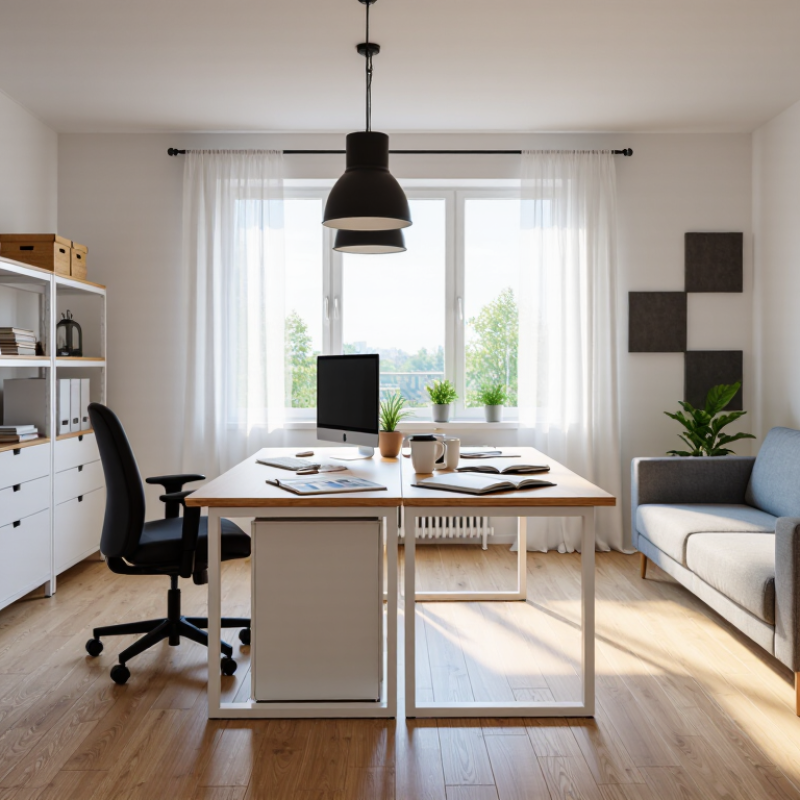
How to Choose Furniture Ideas for Creative Workspaces?

Understanding the Purpose and Users of a Creative Workspace

A creative workspace should begin with its purpose, not with attractive furniture. A writing studio needs quiet desks, adjustable lighting, and comfortable support for long sessions. A design room may require wide surfaces, sample storage, and space for visual references. An editing area needs stable seating and careful control of glare. Furniture should serve the work.

The users matter just as much. Ask how long they sit, stand, move, collaborate, and store materials. A shared studio may need lightweight tables that can be rearranged quickly.

A private maker may need deeper worktops and stronger drawers. Consider reach distance, clear walking paths, and adjustable heights. These details reduce strain and support safer movement. Good planning also respects different body sizes and working habits.

I once chose a narrow desk because it looked clean. It limited every project. That choice failed. A better approach is to observe real work before buying anything. Watch where papers collect, where cables fall, and where people pause. Test a chair for more than ten minutes. Check whether storage opens without blocking another user. Leave some empty space. Creative work often changes direction, and fixed layouts can become frustrating. Even practical advice needs revision after real use.

Assessing Space, Layout, and Workflow Requirements

Creative furniture choices should begin with evidence, not mood boards. Measure each wall, window, outlet, and walking route. Record noise levels at different times. My first workspace plan looked efficient, but the narrow aisle caused daily interruptions. That mistake changed the layout.

Workflow matters more than visual symmetry. The U.S. Bureau of Labor Statistics reported that employed adults worked 8.95 hours on an average weekday in 2023. A desk should support long focus periods without forcing awkward posture. Place the primary work surface near natural light, but avoid screen glare. Add a height-adjustable surface if tasks alternate between drawing, writing, and digital production. Keep frequently used tools within one arm’s reach. Small details matter.

Creative work also needs controlled movement. Separate quiet focus zones from discussion areas with shelving, acoustic panels, or a modest change in floor texture. Gallup’s State of the Global Workplace 2024 report found that only 23% of employees were engaged globally in 2023. Furniture cannot solve engagement alone, but poor spatial support can increase friction. The Leesman Index research also emphasizes that workplace effectiveness depends on how well spaces support actual activities. Test the arrangement for one week. Ask users where they hesitate, stretch, or leave the room. Be willing to remove attractive furniture that interrupts the workflow.

Selecting Furniture for Comfort, Flexibility, and Collaboration

Selecting furniture for comfort, flexibility, and collaboration begins with observing real work, not copying a showroom. In practice, an adjustable chair, supportive desk, and monitor at eye level reduce avoidable strain. A Cochrane Review of workplace sit-stand interventions found that these desks can reduce sitting time by roughly 30 to 120 minutes daily, although the evidence remains limited. Comfort is measurable. Ask users to test furniture for a full work session, not five minutes. Check whether feet rest flat, shoulders stay relaxed, and cables remain hidden beneath the desk.

Flexibility also needs physical space. Choose lightweight tables, lockable casters, and writable surfaces that can shift from solo work to group review. Nature Human Behaviour reported that remote work reduced cross-group collaboration networks by about 25% in one large workplace study. A small round table, two movable chairs, and nearby power can support quick exchanges without creating a noisy meeting zone. I have previously overestimated how often teams would rearrange furniture. Some layouts looked adaptable but felt awkward in daily use. Leave clear paths and include one quiet corner. Collaboration needs room. Review the layout after several weeks, because real behavior often contradicts the original plan.

Matching Materials, Colors, and Forms to Creative Activities

How to Choose Furniture Ideas for Creative Workspaces?

Matching Materials, Colors, and Forms to Creative Activities

Creative workspaces need furniture that supports the activity, not merely attractive rooms. A sketching table should provide a stable, washable surface and enough depth for paper, tools, and movement. Designers often prefer wood, laminate, or coated metal because these materials tolerate frequent handling. Soft upholstery can improve comfort, but it may absorb dust, paint, and sound unevenly. I once chose a beautiful fabric chair for a studio, and it became difficult to clean within weeks. That mistake changed my selection process.

Colors influence energy and concentration. Warm neutrals can make long editing sessions feel calmer, while controlled blue or green accents may reduce visual fatigue. Strong red or yellow can energize group work, but excessive saturation may distract users. Test samples under daylight and artificial light. Small changes matter. Forms also shape behavior. Rounded tables encourage conversation, while rectangular desks support organized, individual tasks. Adjustable furniture adds flexibility for standing, sitting, and different body sizes. Leave clear circulation paths for safer movement and easier collaboration.

Tips

Match hard materials with messy activities and softer materials with quiet work. Use matte finishes to reduce glare near screens. Select colors that support the task, not current fashion. Check edge heights, seat support, and cable access before buying. A practical trial day can reveal problems that product measurements miss. The ideal choice may still need revision after real use.

Planning Lighting, Storage, Technology, and Future Adaptation

How to Choose Furniture Ideas for Creative Workspaces?

Planning a creative workspace starts with light, not a sofa. The International Energy Agency reports that lighting uses about 15% of global electricity. Choose task lamps with adjustable brightness, layered with indirect ceiling light. The U.S. Department of Energy says LED lighting uses at least 75% less energy than incandescent lighting. Avoid harsh glare on screens. A matte desk surface helps, too. I once placed a lamp behind a monitor. It looked attractive, but reflections made editing tiring.

Storage should support visible work without creating visual noise. Use shallow shelves for active materials, closed cabinets for archived files, and a mobile unit beside the main desk. Keep frequently used tools within one arm’s reach. Leave some empty capacity. Creative projects expand unexpectedly. Cable channels, floor boxes, and accessible power outlets should be planned before furniture arrives. Technology changes quickly, so avoid permanently fixing every device to one surface.

Adaptable furniture protects the workspace from future disruption. The World Economic Forum’s Future of Jobs Report 2023 estimates that 44% of workers’ skills may be disrupted within five years. Tables with casters, folding surfaces, and height-adjustable desks can support changing tasks. Provide both collaboration zones and quiet corners. A small acoustic screen may matter more than another decorative chair. Measure real behavior for two weeks before finalizing the layout. My own first plan had too many seats and too little breathing room. That mistake was useful.

FAQS

What should I measure before choosing creative workspace furniture?

Measure walls, windows, outlets, doors, and walking routes. Record noise levels during quiet and busy periods. Measure twice.

How should furniture support different creative tasks?

Choose a stable, washable surface for drawing, writing, or messy work. A height-adjustable desk supports sitting, standing, and changing activities.

Where should the main desk be placed?

Place it near natural light, but angle screens away from glare. Keep essential tools within one arm’s reach.

How can furniture improve movement and concentration?

Separate quiet work areas from discussion zones using shelving, acoustic panels, or subtle floor changes. Keep walkways open and easy to follow.

Which materials work well in a creative workspace?

Wood, laminate, and coated metal handle frequent use and easier cleaning. Soft upholstery adds comfort but may collect dust or absorb sound unevenly.

How should colors support creative work?

Use warm neutrals for calmer, longer editing sessions. Controlled blue or green accents may reduce visual fatigue, while bright colors suit energetic group work.

Which furniture shapes fit different activities?

Rounded tables encourage conversation and shared work. Rectangular desks support organized, individual tasks. Shape quietly changes behavior.

How can I test whether a furniture arrangement works?

Use the arrangement for one week before making a final decision. Ask where people hesitate, stretch, lose focus, or leave the room.

What common furniture mistake should I avoid?

Do not choose attractive pieces that interrupt workflow or reduce circulation space. I once planned a narrow aisle, and daily interruptions exposed the mistake.

What details deserve checking before purchase?

Check seat support, edge height, cable access, surface cleaning, and screen reflections. A trial day may reveal problems that product dimensions miss.

Conclusion

Choosing Furniture Ideas For Creative Workspaces begins with understanding who will use the space and what kind of work will take place there. A studio for individual focus may require quiet desks, ergonomic seating, and organized storage, while a team environment may benefit from shared tables, movable chairs, and areas for discussion. Before selecting furniture, consider the room’s size, natural movement patterns, equipment needs, and workflow. A practical layout should support concentration, easy collaboration, and smooth transitions between tasks without creating unnecessary clutter.

Comfort, flexibility, and durability should guide every choice. Adjustable furniture can accommodate different users and changing projects, while suitable materials, colors, and shapes can encourage energy, focus, or calm depending on the creative activity. Lighting should reduce eye strain and support detailed work, and storage should keep tools accessible without overwhelming the room. Technology should be integrated neatly, with cables and devices managed safely. Finally, choose adaptable pieces that allow the workspace to grow as creative methods, team sizes, and future requirements change.

Ethan

Ethan

Ethan is a seasoned marketing professional with a deep expertise in our company's innovative product line. With a passion for sharing knowledge and insights, he takes the lead in regularly updating our corporate blog, where he explores industry trends, product features, and effective marketing......