10 Essential Furniture Arrangement Tips For Living Rooms?

Time:2026-05-16 Author:Mason
0%

Creating an inviting living room requires thoughtful furniture arrangement. The layout can impact not only the aesthetics but also the functionality of the space. A well-planned arrangement enhances comfort and fosters connections among family members and guests. Implementing effective furniture arrangement tips for living rooms helps create a harmonious atmosphere.

To achieve a balanced seating area, consider the flow of movement. Ensure there's enough space for people to walk comfortably. Avoid overcrowding the room; too much furniture can lead to a cramped feel. Instead, focus on selecting key pieces that serve your needs. This will naturally draw people together without feeling forced.

Lastly, embrace the art of experimentation. What works in one home may not fit another. Take time to rearrange and reassess your layout. Sometimes, an imperfect setup can lead to surprising discoveries. Your living room should reflect your personal style while remaining functional. Following these furniture arrangement tips for living rooms will empower you to create a space that feels both welcoming and unique.
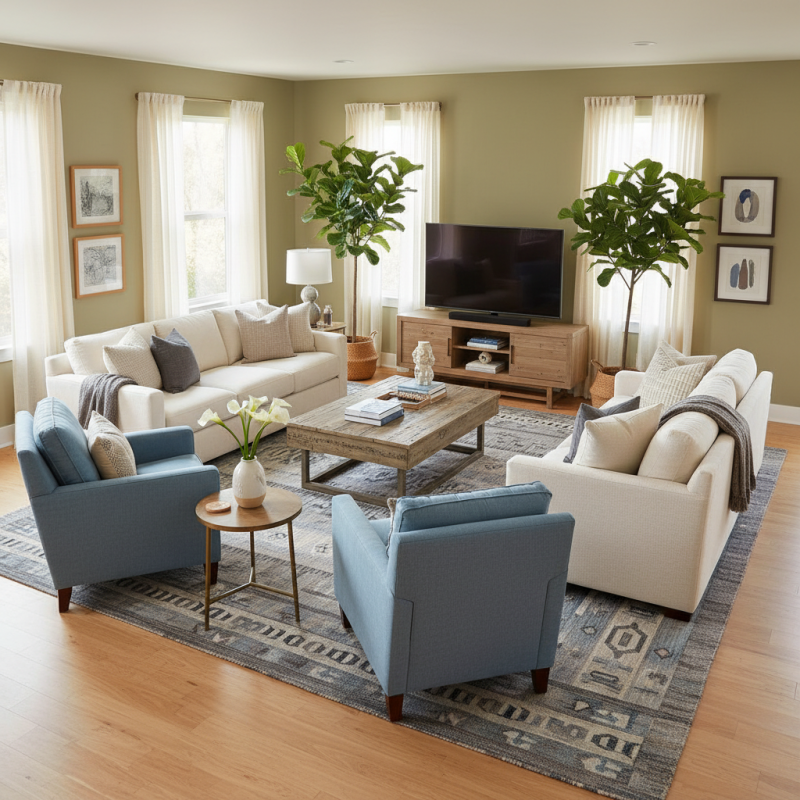
10 Essential Furniture Arrangement Tips For Living Rooms?

Understanding Your Living Room Space and Functionality

Understanding your living room space and its functionality is crucial for creating a cozy atmosphere. Every living room has unique features. Consider the shape, size, and flow of the space. This assessment helps in designing an arrangement that feels right for you.

One tip is to focus on the focal point. Whether it's a fireplace or a window view, arrange your furniture around it. This enhances both style and usability. Allow for clear pathways. Aim for at least 18 inches between furniture pieces. This makes the space more inviting and functional.

Think about the purpose of your living room. Is it for entertaining guests or family movie nights? Your arrangement should reflect that. Use rugs to define areas and create a sense of coziness. Avoid overcrowding—sometimes less is more. Reflect on what furniture truly adds value to the space. Keep it intentional and personal. Every piece has a role to play.

10 Essential Furniture Arrangement Tips For Living Rooms

Choosing the Right Focal Point for Your Living Room Arrangement

Choosing the right focal point for your living room can transform the space significantly. The focal point is the main attraction, drawing attention and setting the tone. A fireplace, artwork, or a striking piece of furniture can serve this purpose. Consider the natural flow and lighting of the room when making selections.

When arranging furniture around your focal point, aim for balance. It’s essential to create a comfortable seating arrangement. Position your sofa or chairs to face the focal point. This guides conversation and makes the space inviting. Allow enough space for movement, avoiding clutter.

Remember to reflect on the functionality of the space. Is it for relaxation, entertaining, or both? The choice of your focal point should align with your needs. This often requires experimentation. Don’t be afraid to rearrange until it feels right. Lastly, consider adding smaller decorative elements that complement your main focus, enhancing the overall aesthetic without overwhelming it.

Optimizing Traffic Flow and Accessibility in Furniture Layout

When arranging furniture in your living room, traffic flow is crucial. A well-planned layout enhances accessibility. Start by observing how people move through the space. Ensure pathways are clear and comfortable. Ideally, leave at least 18 to 24 inches between furniture pieces. This distance allows for easy navigation, especially during gatherings.

Consider the focal point of the room. It could be a fireplace or a large window. Position the seating in a way that encourages conversation while maintaining an open flow. Avoid pushing all furniture against the walls. This can make the room feel sparse. A cozy arrangement invites engagement and connection.

Be mindful of scale and proportion. Oversized furniture can overwhelm a small space, restricting movement. Similarly, small pieces can get lost in a large room. Striking the right balance leads to both functionality and comfort. Regularly reassess your layout. As needs change, so should your arrangement. Make it a habit to revisit and reflect.

10 Essential Furniture Arrangement Tips For Living Rooms

Tip Number Tip Description Benefit
1 Create a Focal Point Enhances visual interest
2 Ensure Traffic Flow Facilitates easy movement
3 Use Area Rugs Defines spaces within the room
4 Consider Scale and Proportion Creates a balanced look
5 Arrange for Conversation Encourages social interaction
6 Mix Different Textures Adds depth and sophistication
7 Balance Furniture Placement Maintains harmony in design
8 Incorporate Multi-Functional Pieces Maximizes space efficiency
9 Leave Space for Movement Ensures comfort and accessibility
10 Personalize Your Space Reflects individual style and preferences

Selecting Appropriate Furniture Size and Scale for Comfort

Selecting the right furniture size and scale is crucial for a comfortable living room. According to the American Institute of Architects, proper scale enhances flow and function in a space. A well-proportioned sofa should leave at least 18 inches between it and other pieces. This distance allows easy movement while creating an inviting atmosphere.

Furniture arrangements can impact usability. Larger furniture can overwhelm a small space. Industry data shows that rooms less than 200 square feet benefit from compact, multi-functional pieces. For instance, a coffee table should be about two-thirds the length of the sofa. This creates balance and ensures comfort.

Consider the visual weight of each piece. A heavy, bulky chair might dominate the layout, making the room feel cramped. Aim for a mix of lighter and heavier items to achieve a cohesive look. Reflect on your living habits. If you entertain often, prioritize flexible seating arrangements. Evaluate how your options enhance or detract from space.

Incorporating Stylish Decor While Maintaining Practicality

Incorporating stylish decor into your living room can be a delicate balance between aesthetics and functionality. Begin with your furniture arrangement. Consider placing your sofa at an angle to create a cozy atmosphere. This setup can open up space and invites conversation. Ensure that walking paths remain clear, allowing easy movement throughout the room. Space is essential for comfort.

Accessorizing your living room is where personality shines. Use throw pillows to add color and texture. A mix of patterns can elevate the design. However, finding the right balance is key. Too many decorative items can feel cluttered. Opt for strategic placements. A well-placed piece of art can draw attention without overwhelming the space.

Lighting also plays a crucial role in your decor. Choose lamps that offer both style and practicality. Soft lighting can create warmth but should not overpower your space. Experiment with various light sources to find the perfect ambiance. Remember, the room should feel inviting, not chaotic. Reflect on what works and what doesn’t, and adjust accordingly.

FAQS

: How should I arrange furniture for optimal traffic flow?

: Observe how people move through the space. Pathways must be clear and comfortable.

What is the ideal distance between furniture pieces?

Leave at least 18 to 24 inches. This distance ensures easy navigation during gatherings.

How should I position seating in relation to focal points?

Position seating to encourage conversation and maintain an open flow. Avoid pushing all pieces against walls.

Why is furniture scale important?

Proper scale enhances flow and function. Oversized furniture can overwhelm small spaces, while small items vanish in large rooms.

How should furniture arrangements reflect my lifestyle?

If you often entertain, prioritize flexible seating. Regularly assess how choices impact comfort and usability.

What makes a furniture layout inviting?

A cozy arrangement encourages engagement. Avoid sparse layouts that can feel unwelcoming.

How can I evaluate my furniture layout?

Make it a habit to revisit and reflect. Assess how changes in needs affect your arrangement.

What is an example of balanced furniture size?

A coffee table should be about two-thirds the length of the sofa. This creates balance and comfort.

How important is visual weight in furniture selection?

Mix lighter and heavier items for a cohesive look. A heavy piece can make the space feel cramped.

How do I ensure comfort in a small space?

Opt for compact, multi-functional pieces. They maximize usability without sacrificing flow.

Conclusion

When it comes to creating a welcoming and functional living room, implementing effective furniture arrangement tips for living rooms is crucial. Start by understanding the unique dimensions and purpose of your space, ensuring the layout supports the activities that take place there. Identifying a focal point, such as a fireplace or a beautiful view, can help guide the furniture placement, making the room feel cohesive.

Optimizing traffic flow is another essential aspect; ensure pathways are clear to enhance accessibility. Selecting furniture that is appropriately sized and scaled will provide comfort and promote a balanced aesthetic. Lastly, don't forget to incorporate stylish decor elements while maintaining practicality, creating an environment that is both attractive and livable. By following these tips, you can transform your living room into a well-organized and inviting space.

Mason

Mason

Mason is a seasoned marketing professional with a deep expertise in the company's offerings and a passion for driving brand awareness. With a strong background in digital marketing strategies, he has an innate ability to connect with diverse audiences and effectively communicate product benefits.......