Choosing the right dining chair significantly impacts comfort and dining experience. High back dining chairs stand out as a popular choice. These chairs offer excellent support, making meals more enjoyable. According to a report from Furniture Today, the demand for high back dining chairs increased by 15% over the last year.
Industry expert Mark Thompson stated, “High back dining chairs are essential for providing both comfort and style.” This trend reflects consumers' growing awareness of ergonomic benefits. A well-designed high back dining chair can enhance posture and reduce discomfort during long dinners. However, many buyers overlook the importance of material quality and stability.
Some high back dining chairs may seem attractive but can lack durability. Always prioritize comfort over style alone. Assessing long-term use is key, which is often forgotten. In the world of high back dining chairs, balance between aesthetics and functionality is crucial.
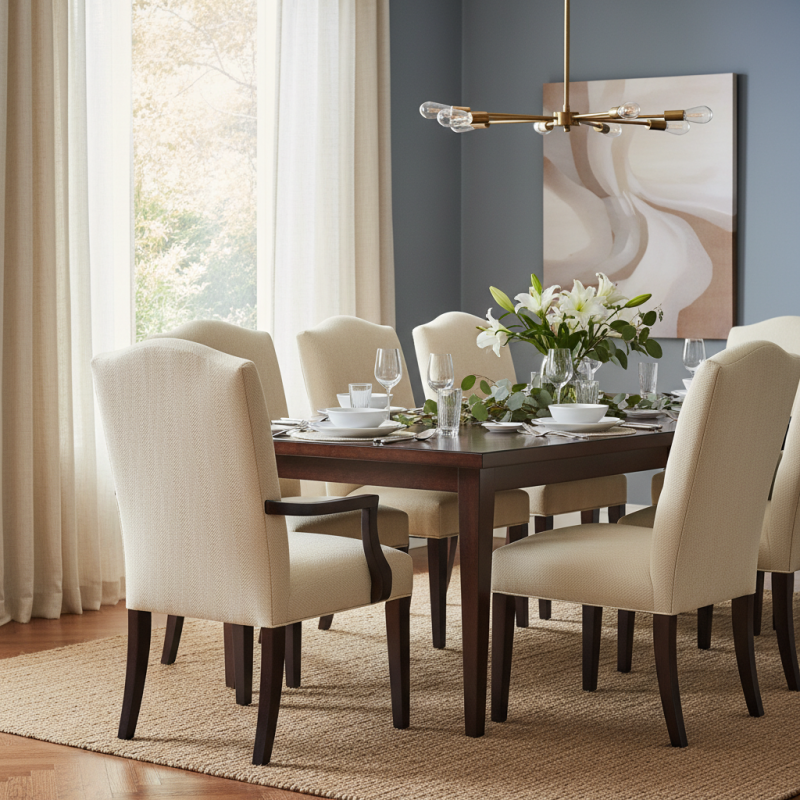
When selecting a high back dining chair, comfort is key. The design should support your back and align with your posture. Look for chairs that have ample cushioning. A well-padded seat can make long dinners enjoyable. Materials are important too. Leather, fabric, or a blend can affect comfort levels.
Also consider the height of the chair. It should match your dining table well. If it's too low, you might feel cramped. If it’s too high, you risk discomfort. Take a moment to envision how the chair fits into your dining space.
Tips: Always try before you buy. Sitting in the chair helps gauge the comfort. Pay attention to armrest placement. They can either enhance or hinder your dining experience. Additionally, don’t overlook the chair's mobility. A chair that’s easy to move can improve your dining environment.
When choosing dining chairs, materials play a crucial role in comfort and durability. High back dining chairs often use wood, metal, or upholstered fabrics. Each material has distinct benefits and drawbacks. For instance, wood offers a classic look but can become uncomfortable without padding. Metal is sleek and modern but may not provide the warmth you want in a dining setting.
Upholstered chairs, made with high-density foam and durable fabric, are often favored for their comfort. Understanding the material composition helps in making an informed decision. According to a report by the Furniture Institute, chairs with a foam density of 2.5-3.0 lb/ft³ typically last longer and provide adequate support.
Tips: Always test out a chair before purchasing. Feel the padding and examine the support. Look for high-quality fabrics like polyester blends, which resist wear and tear. A chair should not only look good but also feel right. Think about how it complements your space. Personal comfort matters significantly. Opt for chairs that make you want to linger at the table.
Ergonomic design plays a vital role in enhancing comfort levels in dining chairs. These chairs support the natural curves of the body. Proper lumbar support can reduce back strain during long meals. High back designs contour to your spine, providing additional support. This encourages better posture and reduces discomfort.
However, not all high back chairs are created equal. Some may feel too rigid or lack adequate cushioning. This can lead to a sense of restlessness during meals. It’s crucial to test various designs. Consider how the chair feels after extended use. A stylish chair might not always be the most comfortable.
Personal preferences also matter. Some people prefer firmer seats, while others enjoy a softer feel. The padding should accommodate different body types. Additionally, the height of the chair should match the dining table. These details can significantly impact your dining experience. Reflecting on these factors leads to better choices for ultimate comfort.
| Chair Model | Ergonomic Support | Comfort Level (1-10) | Material Used | Weight Capacity (lbs) |
|---|---|---|---|---|
| Model A | Lumbar support, adjustable | 9 | Leather | 300 |
| Model B | High back support | 8 | Fabric | 250 |
| Model C | Adjustable headrest | 10 | Mesh | 280 |
| Model D | Contoured backrest | 9 | Wood | 320 |
| Model E | Ergonomic design | 8 | Synthetic | 260 |
| Model F | Padded seat | 7 | Velvet | 240 |
| Model G | Adjustable height | 9 | Plastic | 300 |
| Model H | Wide seat | 8 | Cotton | 290 |
| Model I | Built-in lumbar | 10 | Leatherette | 350 |
| Model J | Ergonomic armrests | 9 | Faux leather | 300 |
High back dining chairs provide excellent support and comfort. Their design often incorporates ergonomics, allowing users to sit longer without discomfort. A study by the American Furniture Manufacturers Association found that 78% of consumers prioritize comfort in dining settings. This need drives innovation in chair styles, from traditional to modern designs.
Contemporary high back chairs often feature clean lines and sleek materials. However, some designs neglect proper lumbar support, leading to potential issues. According to a report by the International Journal of Furniture Design, poorly designed chairs can contribute to back pain for 53% of users. Additionally, user feedback reveals that aesthetics can overshadow comfort. Many choose visually appealing chairs, risking their health.
When selecting high back dining chairs, consider not just style but functionality. A well-designed chair should balance beauty and support. While trends change, the core need for comfort remains constant. Understanding these nuances can lead to wiser choices in your dining space.
The high back dining chair market is evolving rapidly. According to recent studies, 68% of consumers prioritize comfort when selecting these chairs. This reflects a shift towards functionality and well-being in dining experiences. People desire chairs that support their posture and provide ergonomic benefits. Categories that emphasize cushioning and lumbar support are gaining popularity.
Design also plays a crucial role. Research indicates that 52% of buyers want stylish options that complement their home decor. This trend shows that aesthetics now rival comfort, forcing manufacturers to innovate in both areas. However, some designs compromise on comfort for style. An attractive chair might not support long hours of dining. Consumers must navigate this balance.
Sustainability is another key factor influencing choices. A report shows 48% of customers are willing to pay more for eco-friendly materials. Yet, many high back chairs still rely on non-sustainable materials. This creates a gap between consumer expectations and market offerings. Addressing this might require a shift in production practices.
: Focus on comfort, back support, and proper alignment with your posture.
Materials affect both comfort and durability. Wood, metal, and upholstery each have unique benefits.
Ensure the chair height matches your dining table to avoid discomfort while sitting.
Testing chairs helps assess comfort levels and support before making a decision.
Well-placed armrests can enhance comfort, while poor positioning may hinder enjoyment.
Upholstered chairs with high-density foam tend to offer the best comfort and support.
Choose a chair that moves easily for improved dining flexibility and comfort.
Think about how the chair’s style and materials fit with the overall decor of the room.
High-quality, durable fabrics like polyester blends resist wear and provide better comfort.
Yes, comfortable chairs can encourage longer meals and enhance your overall enjoyment.
When selecting a High Back Dining Chair, it's essential to consider various features that enhance comfort. Key characteristics include adequate cushioning, proper height, and supportive backrests that promote good posture. Material choices such as high-quality woods, durable fabrics, and breathable leathers can significantly impact both comfort and longevity, ensuring that the chair remains a staple in dining spaces for years.
The ergonomic design of High Back Dining Chairs plays a crucial role in improving posture and comfort levels during meals. Various styles and designs cater to different consumer preferences, reflecting current market trends in dining furniture. Understanding these elements can help buyers make informed decisions that prioritize comfort while complementing their home aesthetics.

GHENT Furniture