Furniture that looks solid in a showroom may loosen, stain, or sag after a year of daily use. In busy homes, chair joints take repeated strain, tabletops meet hot cups, and sofa fabric rubs against clothing. How To Choose Durable Furniture Materials starts with matching each material to its intended use, not just its appearance. No single material suits every room.
Look closely at construction as well as the material itself. For solid wood, check that joints feel firm and surfaces have an even finish. Engineered panels can work well when their cores are dense and their edges are sealed against moisture. Check the edges. For upholstery, compare fabric weave, abrasion-test results, and cleaning instructions; a tightly woven fabric may suit a family sofa better than a delicate loose weave. Ask for product specifications and, where available, test reports. Small details matter.
A durable choice should also fit your climate, budget, and maintenance habits. In China, furniture options range from local hardwoods and bamboo to metal frames, laminates, and upholstered composites. Ask suppliers about material composition, finish, warranty terms, and replacement parts. If a seller cannot explain what a panel or coating contains, pause and request clearer documentation. Water resistance is not the same as waterproofing, and a scratch-resistant finish can still wear down. Think about repairs, too: a replaceable cushion cover may extend a sofa’s useful life. Some claims need checking. The aim is not to find an indestructible piece, but one that can handle real use and remain practical to maintain.
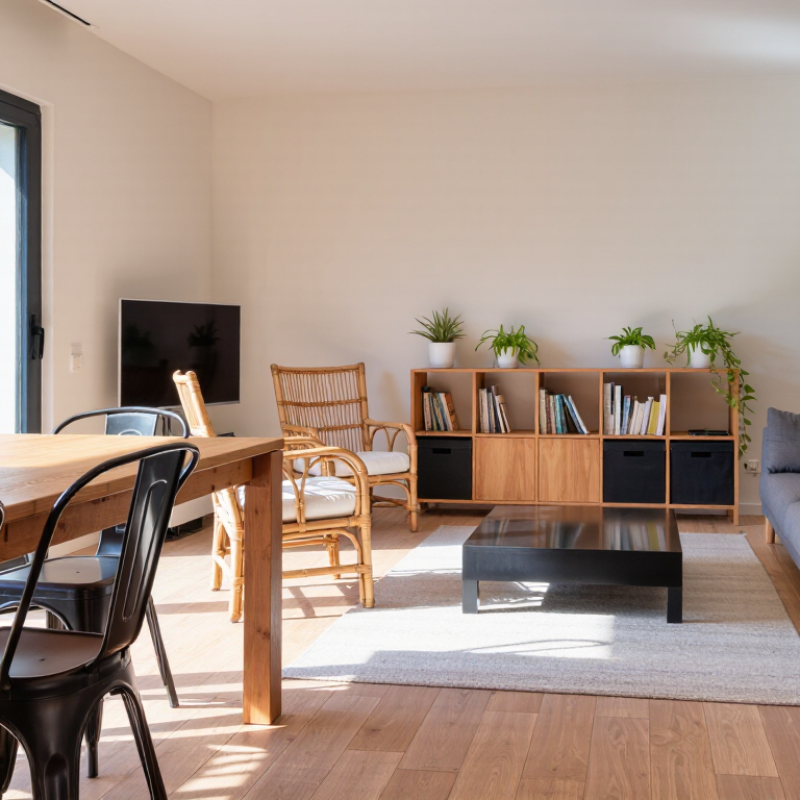
Durability depends on where furniture works. A dining chair must tolerate repeated sitting, shifting weight, and occasional knocks against a table. A hallway bench faces grit, damp coats, and frequent contact. A bedroom cabinet may see little impact, but its drawers need to slide smoothly for years. Material choice should follow these stresses, not a vague claim of “heavy duty.”
For upholstery in busy shared spaces, the Association for Contract Textiles’ Performance Guidelines use 30,000 Wyzenbeek double rubs as a high-traffic abrasion benchmark. This is a test threshold, not a lifespan promise. Abrasion results alone cannot predict seam failure, fading, or damage from cleaning. That distinction matters. A fabric can pass a rub test and still look tired beside a sunlit window.
Match the test to the job. For office seating, check whether the chair has been evaluated against ANSI/BIFMA X5.1, which assesses structural and functional performance. For solid wood tables, inspect joints and finish resistance alongside species; a hard surface can still split if moisture swings are ignored. In a damp entryway, sealed edges and corrosion-resistant hardware may matter more than a premium-looking veneer. I would not treat one test score as proof of durability. Real use is messier than a laboratory cycle.
Compare Solid Wood, Engineered Wood, Metal, and Upholstery
Durability depends on how furniture is built and where it will be used. Solid wood can be sanded and repaired, and its grain gives each piece a distinct look. Yet it may swell or crack when humidity changes. Engineered wood is often more stable and can suit cabinets or shelves. Inspect the edges and joints; exposed cores and weak fasteners may wear quickly. A low price alone tells you little.
Metal frames handle frequent use well, especially when their welds feel smooth and joints do not wobble. Check the finish for chips, since scratches can expose the surface to corrosion. Upholstery needs a different kind of inspection. Run your hand across the fabric, examine the seams, and sit down to see whether cushions recover their shape. Pets, sunlight, and daily spills can change how long fabric stays presentable. I still find comfort harder to judge from a photo.
Tips: Match materials to the room. Choose moisture-tolerant finishes for humid spaces, and keep fabric away from strong sun when possible. Ask how covers, joints, and surfaces can be cleaned or repaired. Then inspect the actual piece. Small flaws matter.
Durable furniture begins with material quality, but the right choice depends on how a piece will be used. Solid wood can withstand years of daily use, yet it may dent or need occasional care. Quality plywood is often stable for cabinets and tabletops. Check exposed edges for lifting veneers, gaps, or rough patches. Feel the joints.
Construction matters as much as the material. Open drawers and listen for scraping; they should move smoothly without shifting sideways. Gently press a table corner to check for wobble, and look beneath the frame for secure joints and evenly fitted supports. Screws should sit firmly, not spin in loose holes. A heavy piece is not automatically a well-made one. I have found that rushed inspections miss small weaknesses, so take a moment to look closely.
Finishes protect surfaces and affect everyday care. Look for an even coating, especially around corners and handles, where wear often appears first. Ask how to clean the finish and whether it needs periodic treatment.
Tips: Inspect a sample in natural light. Run your hand over the surface, check hidden edges, and compare the care instructions with your routine. If a finish looks flawless but feels brittle, ask more questions.
In humid climates, moisture can make solid wood swell and joints loosen. Choose well-sealed wood, corrosion-resistant metal, or quality plywood with protected edges. Keep furniture away from damp walls, and wipe spills promptly. Small details matter. In dry homes, wood may shrink or develop fine cracks as humidity changes. Stable indoor humidity helps, but no material is completely immune. Check how a piece is assembled, not just its surface finish.
Match materials to the work they will do each day. A dining table needs a finish that tolerates hot plates, water rings, and frequent cleaning. For a busy household, tight-weave upholstery is often easier to vacuum than loose, textured fabric. Test the finish. Rub a hidden area with a damp cloth and inspect the care instructions before buying. For chairs used daily, sturdy joints and replaceable cushions can matter more than a fashionable surface.
Sunlight, pets, and outdoor exposure change the choice. Direct sun can fade fabric and dry some wood finishes, so use curtains or position furniture out of the strongest light. For patios, select materials rated for outdoor use, and bring cushions inside during wet weather. A common mistake is choosing a material for its appearance alone. I would not claim one option suits every home; climate, cleaning habits, and repair access all affect how long furniture stays useful.
Compare the dent resistance of common furniture woods, then match materials to your climate and daily use.
Janka hardness measures resistance to indentation; values shown are approximate pounds-force (lbf). Harder woods can better withstand dents, but hardness alone does not determine overall furniture durability. In humid or dry climates, stable construction and controlled indoor humidity help reduce wood movement; for heavy daily use, also consider finish quality and joinery.
Durable furniture starts with evidence, not polished claims. Ask suppliers for current certificates that match the exact material and product, then verify what each one covers. A document for a wood panel, for example, may not certify its finish or adhesive. Ask for the record. Check manufacturing standards too: consistent moisture control, documented quality checks, and clear material sourcing can reduce cracking, warping, and uneven surfaces. Look closely.
Supplier standards matter most when they are specific and repeatable. Ask how defects are inspected, how batches are tracked, and whether replacement parts are available. A reliable supplier should answer plainly and provide written specifications, not vague promises. Still, paperwork cannot show how a chair feels after years of daily use. If possible, inspect a sample: run a hand over the edges, test the joints, and check that doors or drawers move smoothly.
Maintenance needs should fit the room and your habits. Solid wood may need occasional conditioning and can react to dry air; sealed metal is easier to wipe but can still scratch. Ask which cleaners to avoid and whether the finish can be repaired. No material is effortless. I would rather choose a surface with a small, manageable care routine than trust a “maintenance-free” claim that sounds too perfect.
| Material or Component | Durability Considerations | Certifications and Documents to Check | Supplier Standards to Verify | Maintenance Needs | Best Suited For |
|---|---|---|---|---|---|
| Solid hardwood | Can be repaired and refinished; performance varies with wood species, construction, moisture content, and joint design. Seasonal humidity changes can cause movement. | FSC or PEFC chain-of-custody documentation can support claims about responsibly sourced wood. These schemes address sourcing, not furniture durability. | Ask for the wood species, country of harvest where available, moisture-control practices, joinery details, and evidence that sourcing claims match the supplied material. | Use a soft cloth and suitable wood-care products. Wipe spills promptly, avoid prolonged heat or moisture, and maintain a reasonably stable indoor humidity. | Tables, bed frames, chairs, and other pieces intended for repair or refinishing. |
| Plywood | Cross-laminated veneers can provide good dimensional stability. Edge quality, veneer thickness, adhesive, and protection from water affect service performance. | For products sold in the United States, check applicable TSCA Title VI compliance documentation for regulated composite wood panels. FSC or PEFC documentation may apply to wood sourcing. | Request panel grade, thickness, veneer and core specifications, adhesive information, and details of edge sealing. Confirm that the documentation covers the actual panel used. | Keep edges and surfaces dry; repair damaged finishes to limit moisture entry. Clean with a lightly damp cloth and dry afterward. | Cabinet carcasses, shelves, seating shells, and furniture panels requiring stable construction. |
| MDF or particleboard | Provides a uniform surface for finishes, but edges and unsealed areas can be vulnerable to swelling from moisture. Load capacity depends on panel grade, thickness, and support spacing. | For the U.S. market, check TSCA Title VI compliance for regulated composite wood panels. GREENGUARD Gold concerns chemical emissions, not structural strength or durability. | Ask for panel type and grade, thickness, emissions documentation where applicable, screw-holding or load-test results, and the edge-banding specification. | Prevent standing water and promptly dry spills. Avoid harsh cleaners and inspect seams or edge banding for damage. | Indoor case goods, drawer components, and finished panels used in dry environments. |
| Steel | Strong and suitable for load-bearing frames; corrosion resistance depends on the steel grade, coating, weld quality, and exposure conditions. | Request material specifications and relevant test reports. For complete office chairs or other applicable products, ANSI/BIFMA performance standards may be relevant; verify the exact product and test scope. | Check gauge or thickness, weld inspection practices, coating process, corrosion-test results where relevant, and load or stability testing for the finished item. | Wipe clean and dry. Repair chipped coatings, and keep ordinary steel away from persistent moisture or corrosive environments. | Bed frames, table bases, shelving, and high-use furniture frames. |
| Aluminum | Lightweight and naturally corrosion-resistant, though alloy, section design, joints, and surface finish determine strength and wear performance. | Request alloy and finish specifications, plus relevant structural or product-level test reports. Any performance standard should be confirmed as applicable to the furniture type. | Verify alloy, wall thickness, connection design, surface-treatment details, and inspection of welds or mechanical joints. | Clean with mild soap and water, then dry. Avoid abrasive cleaners that may scratch painted, anodized, or polished finishes. | Outdoor furniture, movable seating, and lightweight frames. |
| Upholstery fabric | Wear resistance, seam strength, colorfastness, and resistance to pilling vary by fiber, weave, finish, and construction. No single fabric property predicts overall durability. | Request test reports for relevant properties, such as abrasion, pilling, colorfastness, and seam performance. Confirm the test method and results rather than relying on a general “commercial grade” claim. | Ask for the fiber content, fabric construction, care instructions, test methods and results, and whether the tested fabric matches the production material. | Vacuum regularly and treat spills according to the fabric-care code. Avoid unapproved cleaners and rotate or reverse cushions when their design allows. | Sofas, dining chairs, office seating, and other upholstered furniture. |
Selection note: Certifications and test reports address different issues. Confirm the applicable market, product category, tested configuration, and document validity. FSC and PEFC relate to forest-product sourcing; GREENGUARD Gold addresses chemical emissions; TSCA Title VI applies to regulated composite wood products in the United States. None of these alone guarantees furniture durability.
It depends on the room and daily use. A dining chair needs strong joints for repeated sitting and shifting.
No. A high-traffic benchmark can indicate rub resistance, but it cannot predict seam failure, fading, or cleaning damage.
Look for structural and functional testing suited to office chairs. Also inspect the frame and test the seat yourself.
Check its joints and finish, not just the wood species. Moisture changes can still cause splitting. Easy to miss.
Sealed edges and corrosion-resistant hardware can help. Grit and wet coats will test the surface often.
Ask for current certificates and written specifications for the exact product and material. A panel document may not cover its finish or adhesive.
Feel the edges, test the joints, and slide drawers or doors. Small rough spots can matter later.
It depends on the material. Solid wood may need occasional conditioning, while sealed metal is easy to wipe but can scratch. Nothing is effortless.
How To Choose Durable Furniture Materials starts with understanding how each piece will be used. Furniture in busy living areas or homes with children may need different materials from occasional-use pieces. Compare solid wood, engineered wood, metal, and upholstered options by considering their strengths, care requirements, and suitability for the intended setting. No single material is best for every purpose; durability depends on how well it matches everyday demands.
Look beyond the material name to assess its quality, construction, joints, and protective finish. Consider local climate and factors such as humidity, sunlight, spills, and frequent use, since these can affect how furniture wears over time. Before buying, review relevant certifications and supplier standards, and make sure the maintenance requirements fit your routine. Choosing thoughtfully can help furniture remain functional, attractive, and comfortable for years.

GHENT Furniture