In recent years, the push for eco-friendly homes has gained momentum. More consumers are seeking sustainable solutions. The furniture industry plays a key role in this shift. According to a 2022 report by the Global Sustainability Institute, 70% of consumers prefer sustainable furniture options. This highlights a growing awareness of ecological impacts.
Furniture ideas for sustainable homes encompass various practices. Many brands are now using recycled materials. Others focus on designing furniture that lasts longer, reducing waste. For example, IKEA plans to achieve net-zero emissions by 2030. This commitment illustrates how large companies are adapting their strategies to meet consumer demands for sustainability.
However, the journey to sustainable furniture patterns can be complex. Some consumers may feel overwhelmed by the options available. Additionally, understanding certifications and sourcing can be challenging. It's essential to balance aesthetics with sustainability. Making informed choices can lead to a positive environmental impact. Ultimately, sustainable furniture ideas guide us toward greener living.
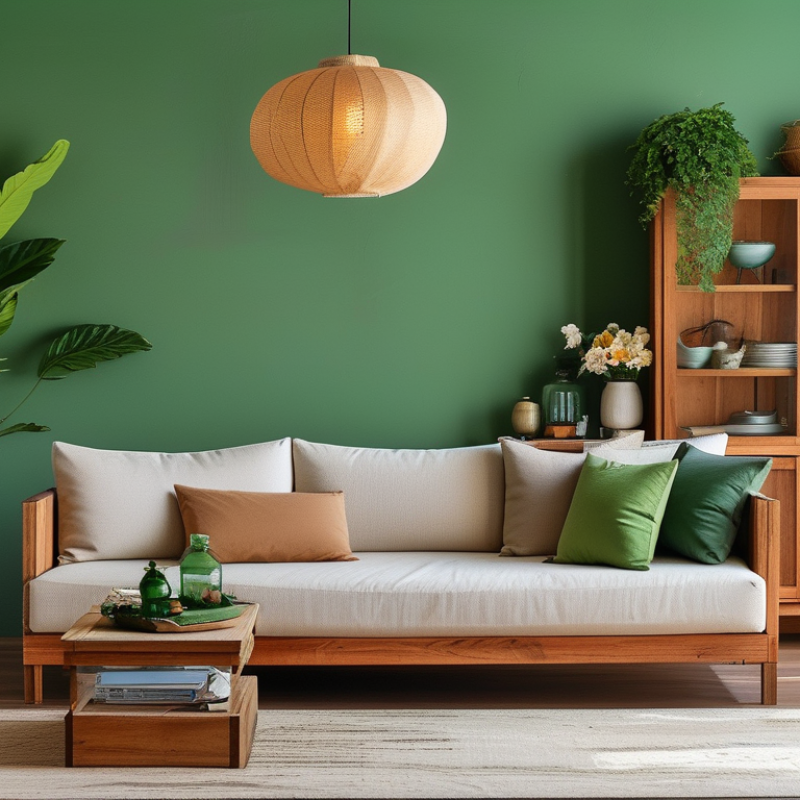
When it comes to creating eco-friendly furniture, the choice of materials is paramount. Sustainable materials can significantly reduce your home's carbon footprint. Bamboo is a popular choice due to its rapid growth and strength. It’s both durable and lightweight, perfect for various furniture types. Reclaimed wood adds character and history, while also minimizing waste. Look for woods that have been sourced sustainably or recycled from old buildings.
Another sustainable option is organic cotton. It is grown without harmful pesticides or synthetic fertilizers. This means it’s better for your home environment. Hemp is also a fantastic alternative, known for its durability and low environmental impact. This versatile plant can be used for upholstery and more.
**Tips:** Choose local materials to reduce transportation emissions. This can foster community support as well. Don't overlook the potential of upcycling old furniture. A fresh coat of paint or new upholstery can breathe new life into discarded pieces. Reflect on your preferences and the longevity of your furnishings; timeless designs often lead to sustainable choices. Each selection can be a step toward a greener home.
Upcycling and repurposing old furniture offer significant benefits for eco-friendly homes. It reduces waste and minimizes the need for new materials. According to a study by the Environmental Protection Agency, furniture accounts for nearly 9% of landfills in the U.S. By refurbishing used pieces, we can decrease that number significantly.
Transforming an old dresser into a stylish TV stand or turning wooden pallets into garden furniture not only saves resources but also showcases creativity. A report by the Circular Economy Institute highlighted that upcycling can reduce carbon emissions by up to 70% compared to producing new furniture. This shift contributes meaningfully to sustainability and resource conservation.
However, many find it challenging to envision new uses for old items. Some projects can seem daunting, and skills might not match the vision. Yet, the process of trial and error can lead to unique designs. Engaging in DIY projects fosters creativity and personal expression. It may take time and effort, but the rewards are worth exploring.
In small homes, every square foot counts. Designing sustainable furniture that fits efficiently into limited spaces requires creativity and mindfulness. A recent study revealed that using multifunctional furniture saves about 30% more space. Pieces that serve several purposes are ideal for maximizing room and reducing waste. For example, a coffee table with built-in storage can hold books and blankets while serving as a focal point.
Tips: Consider modular furniture. These pieces can be rearranged to fit your changing needs. They adapt easily, enhancing both form and function.
Moreover, choosing materials wisely is critical. Bamboo, reclaimed wood, and recycled metal are great options. These materials help lower your carbon footprint. Research shows that sustainable materials can last longer, resulting in less frequent replacements. However, sourcing local materials can be a challenge. It often requires extra research and effort.
Tips: Look for local artisans. Supporting them not only benefits your space but also your community. Small businesses often create unique designs that reflect personal style, offering distinct character to your home.
The journey to creating an eco-friendly small home is ongoing. Embrace the process and explore various ideas to find what suits you best.
| Furniture Type | Materials Used | Sustainability Features | Best For Small Spaces |
|---|---|---|---|
| Convertible Sofa | Recycled wood, Eco-friendly fabrics | Multi-functional, space-saving | Yes |
| Foldable Dining Table | Bamboo, Water-based finishes | Compact design, easily storable | Yes |
| Wall-Mounted Shelves | Reclaimed wood, Non-toxic varnishes | Maximizes vertical space | Yes |
| Ottoman Storage | Natural fibers, Recycled padding | Dual function, storage space | Yes |
| Eco-Friendly Chairs | Sustainable wood, Organic upholstery | Durable, non-toxic materials | Yes |
When creating sustainable furniture, the choice of finishes and paints is critical. Eco-friendly paints and stains can significantly reduce harmful emissions. The U.S. Environmental Protection Agency (EPA) estimates that indoor air quality can be 2 to 5 times worse than outdoors. Choosing low-VOC (volatile organic compounds) paints helps address this issue. These paints are not only safer but also effective in achieving rich, vibrant colors.
Natural finishes, like oil or wax, provide an alternative to synthetic products. They nourish the wood and enhance its beauty while avoiding toxic chemicals. A study from the Green Building Council shows that using environmentally-friendly finishes can lower the ecological footprint of your furniture. However, achieving a perfect finish can be a challenge, and these natural options often require more maintenance and care.
Moreover, eco-conscious consumers are increasingly interested in sourcing ingredients sustainably. Biodegradable paints, for instance, are still relatively niche, requiring ongoing research and development. Homeowners need to balance aesthetics, performance, and sustainability. The journey towards a fully eco-friendly home often involves trial and error, inviting reflection on one's environmental impact. Each choice defines not just personal style, but also contributes to broader ecological sustainability.
When choosing sustainable furniture, consider the materials used. Look for natural, renewable options like bamboo, reclaimed wood, or recycled metals. These materials reduce environmental impact. Avoid products made from harmful chemicals or synthetic materials. They can off-gas toxins, harming indoor air quality.
Research brands that prioritize transparency. Companies should provide information about their sourcing and manufacturing processes. Check for certifications that verify eco-friendly practices. Some organizations offer credible marks that indicate a commitment to sustainability. This adds a layer of trust to your purchase decisions.
Pay attention to the durability of the items you select. Short-lived products contribute to waste. Invest in well-made furniture that can last for generations. It might cost more upfront, but it will save money over time. Reflect on your choices and their impact on the planet. Thoughtful decisions now will benefit future generations.
: Bamboo, reclaimed wood, organic cotton, and hemp are great choices. They’re sustainable and reduce environmental impact.
Upcycling reduces waste and minimizes the need for new materials. It helps decrease landfill contributions substantially.
Transform an old dresser into a TV stand, or use wooden pallets for garden seating. Creativity is key.
Multifunctional furniture saves space. It maximizes utility while reducing the need for extra items.
Choose local materials and artisans. This supports the community and offers unique, personalized designs.
It can be challenging to source local materials. Research and effort are needed, but it's worth it for sustainability.
Embrace trial and error. Engaging in DIY projects fosters creativity and personal expression in your designs.
Use modular furniture. It adapts to your needs, maximizing space and enhancing functionality.
Yes, sustainable materials often last longer. This leads to less frequent replacements and a lower carbon footprint.
Consider timeless designs and your personal preferences. Thoughtful choices lead to sustainable and long-lasting furnishings.
When considering Furniture Ideas for Sustainable Homes, it's essential to focus on sustainable materials that minimize environmental impact during construction. Opting for upcycled and repurposed old furniture not only reduces waste but also offers unique character and charm to your living space. Designing furniture with small homes in mind can maximize space efficiency while promoting eco-friendly practices.
Additionally, selecting eco-friendly finishes and paints is crucial in ensuring that the furniture contributes positively to indoor air quality. To make informed decisions, it’s important to follow guidelines that help identify truly sustainable furniture brands and products. By integrating these principles, homeowners can create stylish, functional, and environmentally responsible living spaces.

GHENT Furniture