Top 10 Furniture Trends for Modern Interiors You Should Know?

Time:2026-05-07 Author:Madeline
0%

In recent years, the interior design landscape has transformed significantly. As more consumers invest in their living spaces, the importance of identifying key Furniture Trends for Modern Interiors has become paramount. According to a report from the American Home Furnishings Alliance, the furniture market is projected to grow by approximately 3.5% annually. This shift reflects a growing consumer desire for functionality blended with aesthetics.

Modern interiors today embrace a blend of minimalism and bold colors. Sustainable materials are gaining traction, with a 60% increase in demand over the past two years. Eco-conscious consumers are driving these trends. However, the challenge lies in balancing style with practical use. It’s not enough to follow trends; one must consider personal taste and lifestyle needs.

As we navigate these evolving trends, creating a unique space can be daunting. The key is to embrace what resonates with you while being responsive to changing styles. This dynamic nature of design invites reflection and creativity, ensuring that each piece tells a story in your home.
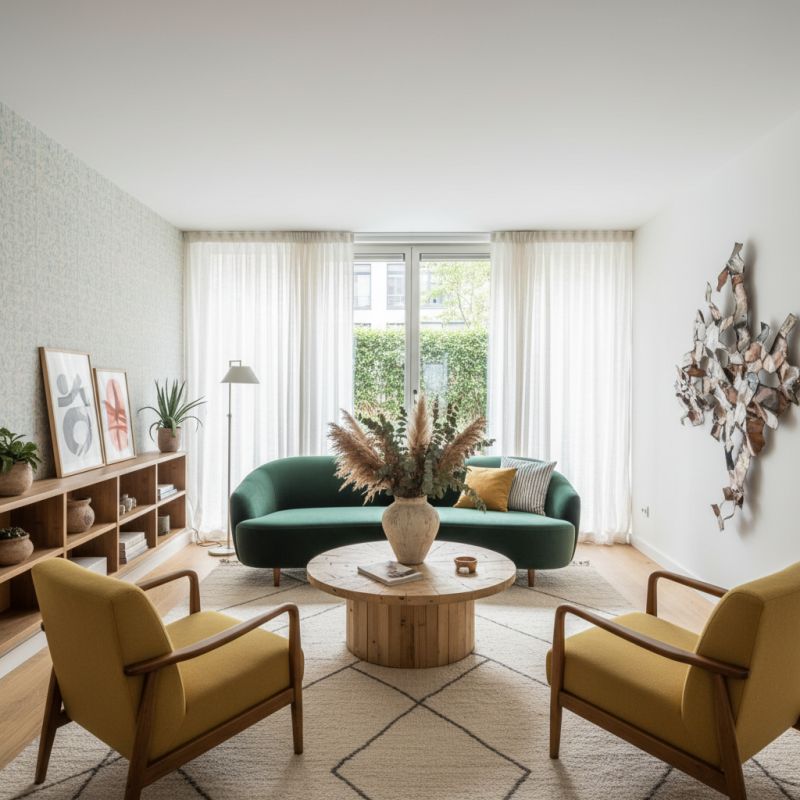
Top 10 Furniture Trends for Modern Interiors You Should Know?

Emerging Color Palettes for Contemporary Furniture Designs

Emerging color palettes play a crucial role in contemporary furniture design. Warm earth tones are gaining popularity, offering a cozy feel. Shades of terracotta, sandy beige, and deep greens create a calming atmosphere. These colors reflect a connection to nature, enhancing interior spaces with serenity.

On the other hand, vibrant hues are also making their mark. Bold colors like electric blue and sunny yellow add energy and creativity. These tones can be used as accents, sparking joy in minimalist environments. However, balancing these bright colors with neutrals is essential for cohesiveness. This trend invites exploration and a bit of experimentation. Some combinations may feel overwhelming, leading to a clash instead of harmony.

Textures are as important as colors. Consider pairing matte finishes with glossy elements. This contrast can elevate a design, making it more dynamic. Reflecting on personal preferences is vital. Sometimes, a chosen palette can miss the mark, evoking unintended feelings. Striking the right balance can be challenging but rewarding. Embracing flexibility within design choices allows for genuine personalization in modern interiors.

Sustainable Materials: The Future of Eco-Friendly Furniture

Sustainable materials are shaping the future of eco-friendly furniture. The growing demand for sustainability in home design is noticeable. According to a recent industry report, about 70% of consumers prefer brands that focus on eco-friendly practices. Wood from responsibly managed forests, recycled metal, and organic textiles are gaining popularity.

Tips: Consider furniture made from reclaimed wood. It reduces deforestation and adds character. Look for pieces that use low-VOC finishes. These options are healthier for indoor air quality.

More designers are emphasizing local sourcing. This not only boosts the local economy but also minimizes transportation impacts. Moreover, the life cycle of a product is crucial. Furniture made with durable materials reduces the need for replacements. In fact, using long-lasting materials can decrease waste significantly over time.

Tips: Opt for modular designs that adapt to different spaces. This versatility can extend the lifespan of your furniture. Choose multifunctional pieces that serve various purposes. This approach can optimize space while being environmentally conscious.

Multifunctional Pieces: Maximizing Space in Modern Interiors

In today's urban living environments, space is a luxury. Multifunctional furniture has emerged as a key solution, allowing homeowners to optimize every square foot. According to a recent report by the American Home Furnishings Alliance, 60% of consumers seek versatile pieces that serve multiple purposes. A pull-out sofa that transforms into a guest bed is just one example of how this trend caters to modern needs.

Moreover, the increasing popularity of remote work has driven demand for home offices. Desks that double as dining tables are ideal for small apartments. These designs reflect a shift towards adaptability in our living spaces. Industry professionals note that well-designed multifunctional furniture enhances both aesthetics and utility. However, buyers should be cautious. Quality and durability can often be compromised when aesthetics take precedence.

Many designs can appear stylish but might lack adequate support or comfort. It's essential to reflect on how often these items will be used before making a purchase. Balancing functionality with personal taste is challenging. Homeowners need to think critically about their lifestyle and how these pieces fit into it. Investing in multifunctional designs can be a game-changer, but the right choices must align with individual needs and space requirements.

Top 10 Furniture Trends for Modern Interiors

This bar chart illustrates the popularity percentages of various furniture trends for modern interiors, highlighting the growing significance of multifunctional pieces and sustainable materials in today's design landscape.

Industrial Aesthetics: Blending Raw and Refined Elements

Industrial aesthetics have become a defining feature in modern interior design. This style merges raw elements with refined touches, creating a balanced yet edgy look. Materials like exposed steel, reclaimed wood, and concrete are commonly used. According to a report from the Interior Design Association, about 62% of designers now incorporate industrial elements into residential projects. This trend reflects a movement towards authenticity and sustainability.

The juxtaposition of rough textures and sleek finishes creates visual interest. For example, a polished metal light fixture can look striking against a backdrop of distressed brick walls. This combination also adds depth to a room, inviting both reflection and conversation. A survey by the National Kitchen and Bath Association revealed that 56% of homeowners prefer open spaces that showcase these contrasting design elements.

However, achieving harmony in industrial decor can be challenging. Too many raw materials risk making a space feel unfinished. On the other hand, excessive refinement can strip away the character inherent in industrial design. Striking a balance requires skilled intuition. It’s essential to consider how each element interacts within the overall space.

Top 10 Furniture Trends for Modern Interiors You Should Know - Industrial Aesthetics: Blending Raw and Refined Elements

Trend Description Key Elements Color Palette
Minimalist Design Emphasis on simplicity and functionality without superfluous elements. Clean lines, neutral colors, open spaces. Whites, blacks, and beiges.
Reclaimed Wood Use of salvaged wood for a rustic, eco-friendly look. Tables, shelves, accent walls. Earthy tones, deep browns.
Industrial Metals Incorporation of raw metal finishes in furniture design. Steel frames, metal accents, vintage finishes. Grays, rust, matte black.
Bold Textiles Use of striking fabrics to add texture and color. Cushions, throws, upholstered furniture. Jewel tones, vibrant patterns.
Sustainable Materials Emphasis on eco-friendly sourcing and production. Bamboo, recycled materials, organic finishes. Natural greens, soft browns.
Multifunctional Furniture Designs that serve multiple purposes for space efficiency. Sofa beds, foldable tables, storage ottomans. Neutral tones with accent colors.
Geometric Shapes Furniture pieces featuring bold, geometric designs. Triangular tables, hexagonal shelves. Monochrome with pops of bright color.
Mixing Styles Combining different design aesthetics for a personalized look. Eclectic furnishings, vintage and modern mix. Diverse palette based on chosen styles.
Smart Technology Integration of technology into furniture for added convenience. Charging stations, IoT devices in furniture. Sleek metallics with neutral finishes.

Smart Furniture: Integrating Technology into Daily Living Spaces

Smart furniture is revolutionizing modern interiors. As we integrate technology into daily living spaces, homes become more functional. A report by the Furniture Today reveals that 67% of consumers prefer furniture with technological features. This shift highlights the importance of smart designs in enhancing comfort and convenience.

Consider investing in pieces that not only serve traditional functions but also connect with other devices. Smart tables with wireless charging capabilities can reduce clutter and keep your devices powered. These innovations help streamline daily activities and create a seamless living environment. However, some people may find these products overwhelming or unnecessary. It's essential to assess what truly enhances your lifestyle.

Tip: When choosing smart furniture, prioritize items that solve specific problems. Think about your daily routines and how technology can simplify them. Not everything labeled "smart" is a must-have for everyone. Smart seating, for example, can make work-from-home setups more ergonomic and comfortable. Always ensure that tech integrates smoothly into your decor instead of feeling disruptive.

FAQS

: What color palettes are currently trending in contemporary furniture design?

: Warm earth tones and vibrant hues are popular. Earth tones create a cozy feel, while bold colors add energy.

How can vibrant colors be effectively used in furniture design?

Use vibrant hues as accents. Balance them with neutral tones to avoid clashing and maintain harmony in the space.

Why are textures important in furniture design?

Textures enhance visual interest. Pairing matte finishes with glossy elements can create a more dynamic design.

What materials should be considered for eco-friendly furniture?

Look for reclaimed wood, recycled metal, and organic textiles. These materials have a lower environmental impact.

How can consumers promote sustainability when choosing furniture?

Opt for furniture made with durable materials and low-VOC finishes. This helps reduce waste and improve indoor air quality.

What are some tips for choosing smart furniture?

Focus on smart items that solve specific problems. Assess how each piece integrates with your daily routine and overall decor.

What is a potential downside of using vibrant color combinations?

Some combinations may feel overwhelming. They can clash instead of create harmony, which requires careful consideration.

How can modular furniture designs be beneficial?

Modular designs adapt to different spaces and needs. They can extend the lifespan of furniture and optimize space usage.

What is one challenge of integrating technology into furniture?

Smart furniture can be overwhelming for some. It's crucial to determine what truly enhances your lifestyle without being disruptive.

Why is local sourcing important in furniture design?

It boosts local economies and reduces transportation impacts. This practice aligns with the growing demand for sustainability.

Conclusion

The article "Top 10 Furniture Trends for Modern Interiors You Should Know" highlights key trends shaping contemporary spaces. Among these, emerging color palettes are redefining aesthetic choices, allowing for versatile and expressive designs. Sustainable materials are gaining traction, reflecting a growing commitment to eco-friendly furniture solutions that cater to environmentally conscious consumers.

Additionally, multifunctional pieces are becoming essential in maximizing space, especially in urban living environments. The industrial aesthetic trend merges raw and refined elements, creating a unique balance that enhances modern interiors. Finally, smart furniture is increasingly integrated into living spaces, bringing technology into daily life and enhancing convenience. Overall, these furniture trends for modern interiors not only reflect current preferences but also signify a broader movement towards innovative and responsible design.

Madeline

Madeline

Madeline is a dedicated marketing professional with a wealth of expertise in our company's core offerings. With a keen understanding of the industry, she brings a unique perspective to her role, consistently delivering high-quality content that highlights the superior aspects of our products. As......