China’s furniture market is changing quickly, shaped by compact homes, digital shopping, and buyers seeking more personal spaces. Many current designs pair clean lines with practical flexibility. A dining table may double as a work surface, while modular storage shifts with a room’s needs. Useful, yes—but not every small-space solution feels comfortable in daily life.
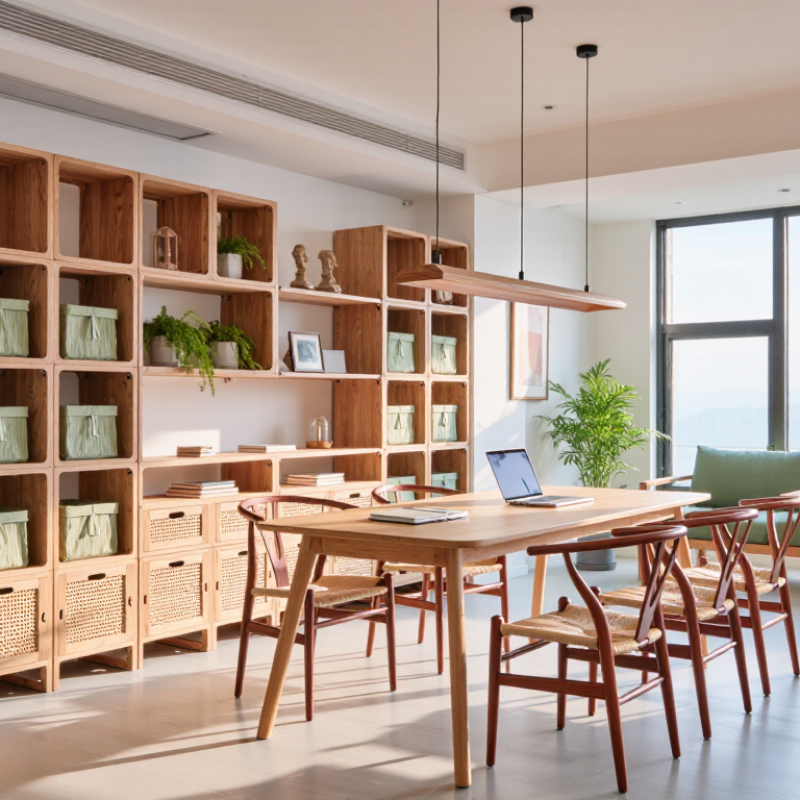
Natural finishes are also drawing attention. Picture pale oak, woven textures, rounded corners, and muted greens in a bright apartment. Some brands combine these details with Chinese craft references, though thoughtful design requires more than adding a traditional motif. Materials, workmanship, and the way a piece ages matter too. Furniture designer Charles Eames put the value of detail simply: “The details are not the details. They make the design.” His words offer a useful lens, even though they were not a prediction about China’s market.
Future Trends In Furniture Design in China may bring more customization, repair-minded products, and technology that stays discreet. Buyers can already find storage planned around specific layouts and furnishings designed for flexible rooms. Still, trend claims deserve a second look. A “sustainable” label alone cannot show how long a chair lasts or where its materials come from. The sections ahead explore the styles gaining visibility, the choices behind them, and the questions worth asking before a trend becomes a purchase. Some answers remain uncertain. That is part of the picture.
China’s furniture industry recorded RMB 655.7 billion in revenue in 2023, according to the National Bureau of Statistics (NBS). That figure signals scale, but it does not directly measure household demand or design preferences. Revenue can reflect production, pricing, and product mix. So, trends need careful reading. At this scale, design choices matter beyond appearance. Compact apartments can favor modular storage, extendable tables, and pieces with more than one use. Neutral finishes and natural-looking materials suit many interiors, though they are not universal preferences. Some households still choose bold colors or ornate details.
The revenue figure also reflects a broad manufacturing ecosystem. Designers must balance visual appeal, cost, durability, and repeatable production. A cabinet door may look refined in a showroom, yet loosen with daily use if its hinges or construction are weak. That detail matters. Still, national revenue cannot show which styles are gaining share. Regional tastes, home sizes, and sales channels complicate the picture. Treat the number as useful context, not proof of one national style.
Furniture must look clear in phone photos and provide practical details. Buyers need dimensions, fabric information, and assembly guidance. A good image helps, but it cannot show everything.
Compare the listed dimensions with your room and doorways. Check close-up fabric photos, assembly instructions, and return terms. Measure twice. A staged room can make a sofa look smaller.
Modular shelves, storage benches, and extendable dining tables can save space. Choose pieces that adapt when your needs change. Extra joints may loosen over time.
It may combine clean silhouettes with details like curved screens or lattice-like cabinet doors. Dark wood frames can add warmth. Too many hard surfaces may feel cold.
Bamboo, reclaimed wood, and responsibly sourced timber can show natural grain and color variation. Knots can make a tabletop feel distinctive. They may need extra care.
Ask where the material came from and what finish protects it. Check whether damaged parts can be repaired. The word “sustainable” alone says little.
Open drawers, move shelves, and test hinges in person when possible. Replaceable hinges may extend a cabinet’s life. Looks are not enough.
No. Fabric may look warmer on a screen, and a chair may feel smaller than expected. I might underestimate that gap. Seeing and touching still matters.
China’s furniture market is evolving alongside changing lifestyles, technology, and urban growth. In 2023, the industry generated RMB 655.7 billion in revenue, while the smart furniture and connected-home market reached RMB 715.7 billion. These figures point to rising interest in furnishings that combine practical everyday use with digital convenience. As online shopping expands—with physical-goods e-commerce reaching RMB 13 trillion—consumers also have more ways to explore and purchase furniture.
With China’s urbanization rate at 66.16% in 2023, compact homes are encouraging space-saving designs that make rooms more adaptable. Modern Chinese style is also developing through a balance of contemporary forms and cultural influences, while sustainable materials are gaining relevance as buyers consider durability and resource use. Future Trends In Furniture Design will likely bring these priorities together: thoughtful use of space, connected features, convenient online discovery, and materials suited to a changing market.

 GHENT Furniture